
We live in time when gadgets are ubiquitous. Smartphones, computers and the like are all dependent on printed circuit boards (PCBs). These boards enable different sections of an electronic device to connect and work together. Making a PCB may be hard, but it’s no more difficult than knowing the basics. At Engine, we’re experts when it comes to helping businesses develop PCBs that suit their needs. In this blog post, we cover what buyers need to know on what to look for in simple PCB designs, some of the most common issues that can arise and how you can avoid them.
If you’re purchasing PCBs for your own projects, there are several considerations to keep in mind. First, quality matters. The Best Materials for a Good PCB The ingredients of a great PCB need to be robust and tough in order to work efficiently and withhold the test of time. Look for the ones that are made of high quality copper; it ensures better connections. You also must look at the size. Then the PCB has to be of size which matches your requirement. If the drive is a little too big, it might not fit in your device. If it’s too small, it won’t be sufficiently in touch with the parts. If, for instance, you want a board to work with a tiny gizmo like a smartwatch, pick one that’s small like that device is. The number of layers is another thing to check. Simple PCBs often contain a single layer, whereas more complex ones could have four or even more layers. You can fill out each layer with different connections; the more layers you add, the easier it is to keep everything somewhat organized in tighter spaces. And last, but not least, it’s always neat to learn more about how the product is made. Whereas a reliable, professional supplier like Engine relies on modern CNC machinery and methods to minimize mistakes. That means the boards you’ll receive are more likely to be flawless and ready to go. Even with those considerations, don’t forget: Communication is key. Nominate what you want from your supplier. Ask questions! Refining those things will make sure that you get the best PCB possible for your project. To learn more about the different types of PCBs available, check out our page on PCB Design & OEM.
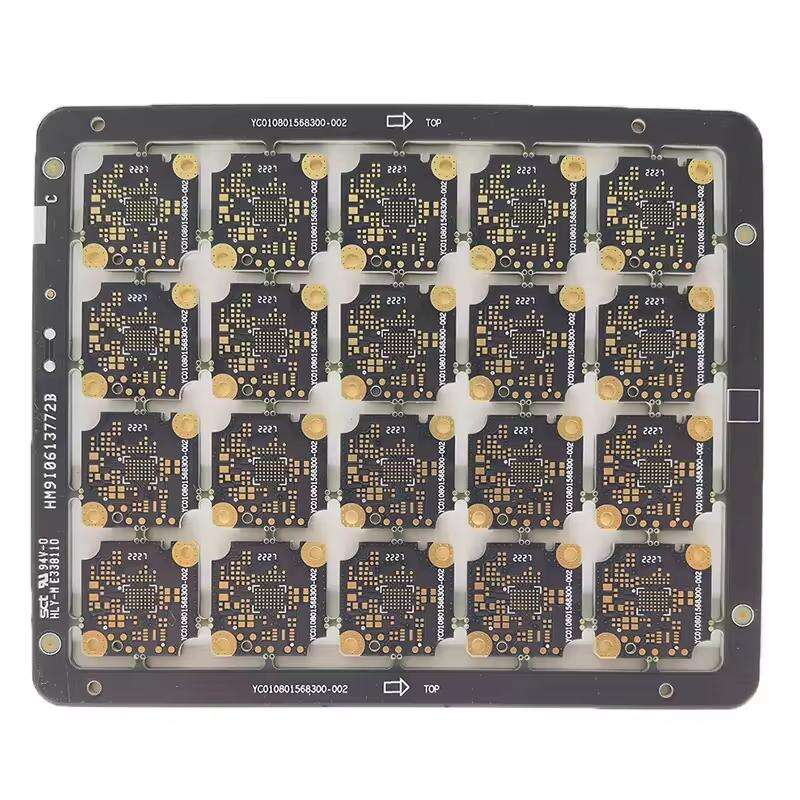
All but the best-made PCBs can suffer at the hands of their users. One common issue is overheating. An overly hot PCB can either malfunction or break. To prevent this, for sure there is enough space around the PCB is left open for air to flow. If you’re running on a powerful device, put heat sinks or even fans to keep it cool. Short-circuiting, another problem, occurs when electrical currents travel along the wrong route. So this will fuck up your PCB and burn out the connected components. You can request that your designer carefully layout trace routes (the actual pathways of electricity) in the design to try and mitigate this possibility. You also need to have the right component values. For example, installing the wrong-size capacitor can cause a failure. In general, be sure to double-check whenever possible and/or try components that are known to play together well. Tests are vital too. Before you put a PCB into a device, test to make sure it processes the electricity and operates as expected. At Engine, we recommend testing your PCBs in situ to see how they work. This can alert you to disasters long before they reach your final product. Only, knowing a bit about common issues here will help smooth your way and keep your devices running smoothly. You might want to look into our PCB Assembly services for reliable solutions.
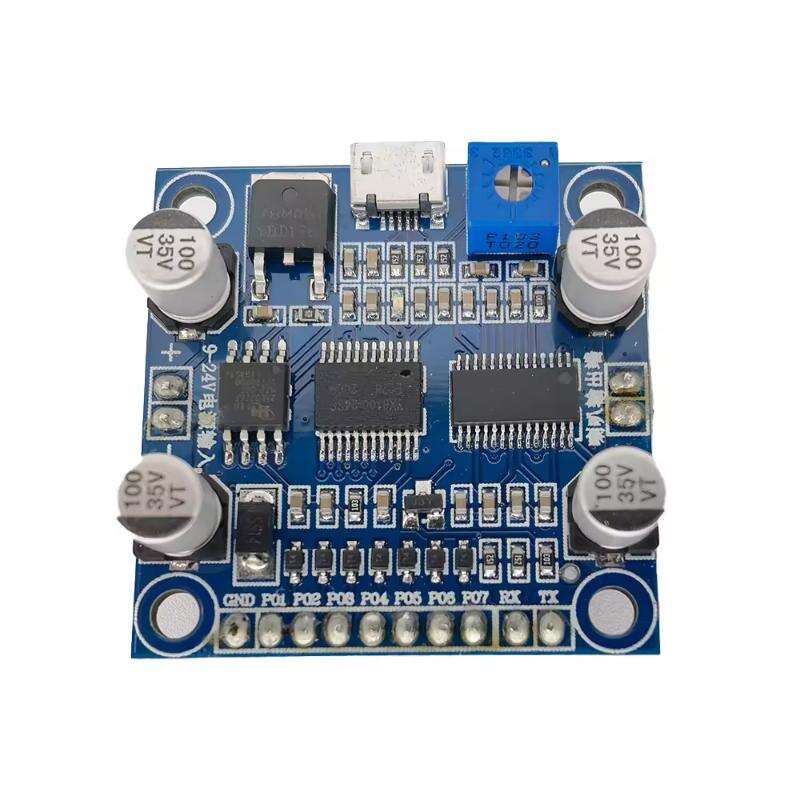
For those who are working in the business of buying PCBs, there are a few trends that you should definitely be aware of. For one, technology is constantly advancing and so are PCB designs. A big trend is also the miniaturization and decreasing weights of PCBs. This is perfect for mechanical devices such as a smartphone or tablet, which need to be transported around. Tiny PCBs can conserve room and make gadgets more transportable. A second trend is that of the Flexible Printed Circuit Board (F-PCB). These can bend and fit into various shapes, which is handy for new gadgets that might want to be compact or foldable. Buyers should also be aware that several companies concentrate on manufacturing environmentally friendly PCBs. That means being made from materials that are better for the environment, or that can be recycled. The trend is significant because more customers prefer to buy from businesses that care about the planet. In addition, digital technology is having a huge influence on PCB design. Now they’re using software that helps designers build stronger and more complicated PCBs. With this software, it can be played how a PCB will perform before it is actually manufactured. With this information in mind, wholesalers can opt for PCBs that will best suits their requirements and ranks ahead of the market.
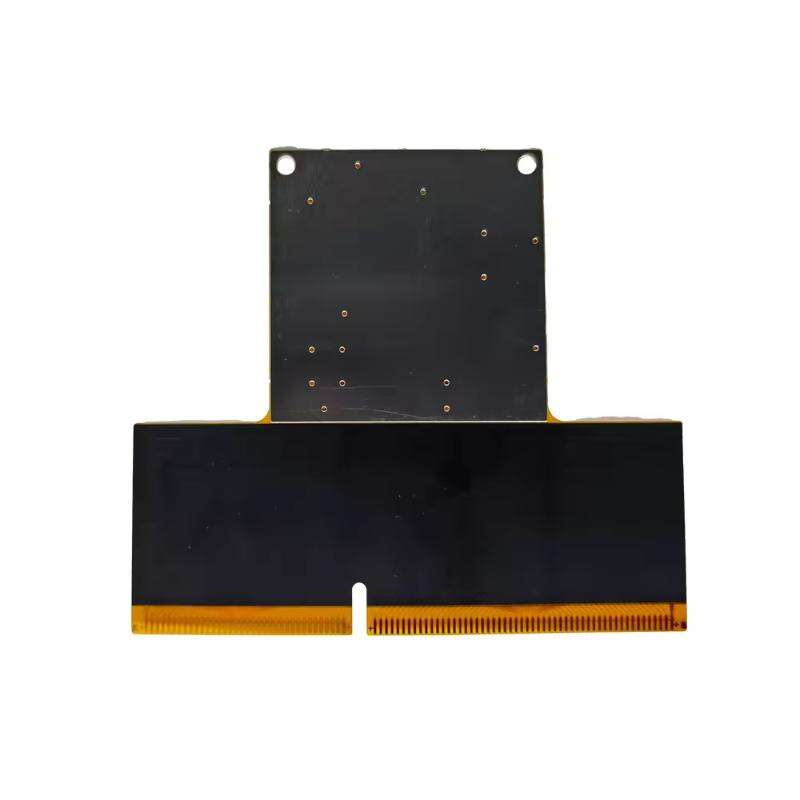
There are a few steps that designers and companies should take to ensure that PCB designs are in fact high-quality. First and foremost, you need a solid plan. That means knowing what you want your PCB to do, and what kind of parts will be sitting on top. Planning clears the slate, as it were, and helps to eliminate some potential mistakes later on. Then, the tools and software you use matter. When designing, they should use the most stable PCB design software to ensure accurate layouts. This software can aid in identifying potential problems before production begins. It is also important to test thoroughly after designing. This can range from simulations in order to see how the PCB will behave under various conditions. And then, there’s getting the right material. Quality materials can prevent issues such as overheating or breaking. Good communication with both the design engineer and the manufacturer is also useful. It can make for a better end product if everyone knows what you’re trying to do and what everyone’s responsibilities are. Finally, it is vital to have the willingness and ability to learn all the time when you are designing PCBs. Because the electronics industry moves so fast, it doesn't take much to become outdated, but staying fresh with new techniques and technology allows designs to stay relevant. By adhering to these guidelines, firms like Engine can guarantee that their PCB design process is top quality resulting in better and more reliable products. For more information on types of PCBs, visit our page on Multilayer PCB.
 EN
EN
 FR
FR
 ES
ES
 PT
PT
 AR
AR
 RU
RU
 KO
KO
 JA
JA
 DE
DE
 NL
NL
 VI
VI
 BG
BG
 HR
HR
 CS
CS
 DA
DA
 FI
FI
 EL
EL
 HI
HI
 IT
IT
 NO
NO
 PL
PL
 RO
RO
 SV
SV
 TL
TL
 IW
IW
 ID
ID
 LT
LT
 SR
SR
 SK
SK
 HU
HU
 TH
TH
 TR
TR
 FA
FA
 GA
GA
 CY
CY
 IS
IS
 HY
HY
 LA
LA
 UK
UK