
Flex PCB boards are the special ones which can be bent and twisted. They are constructed with flexible materials, which is why they are also referred to as “flexible printed circuit boards” or flex PCBs. Boards like these are crucial parts of numerous devices, such as smartphones, tablets and wearable gadgets. They are flexible and can fit into crevices, so it is a good answer to modern computer. Engine, our business is easily modifiable flex PCBs that are reliable for a huge number of applications. Widgets can get slimmer, lighter, sleeker using flex PCBs, which is cool for users as well.
It’s hard to find good suppliers for flex PCBs by the way. You want to make sure that they are trustworthy, and that the merchandise is of high quality. One place to begin is with online research. Their are a lot of Web sites that lists suppliers who deal only in flex pcb. Find companies with good reviews and ratings. There are also forums and groups where people discuss electronics. They share supplier recommendations regularly. Another approach is to go to trade shows or tech fairs. The events provide the ideal opportunity to put a face to our suppliers and take a look at the products on offer. At trade shows, you can ask questions and receive samples. It also provides an opportunity to learn about new technology in the field. Be sure to check their experience, too. A company like Engine, for example, has extensive experience in manufacturing and can offer you better service. When you reach out to potential suppliers, find out more about their production capabilities and lead times. This way you can find out if they can meet your needs. Always ask about references or case studies. You can also ask other customers about what to expect. If you are interested in a wider variety of options, consider looking into Flexible PCB solutions as well.
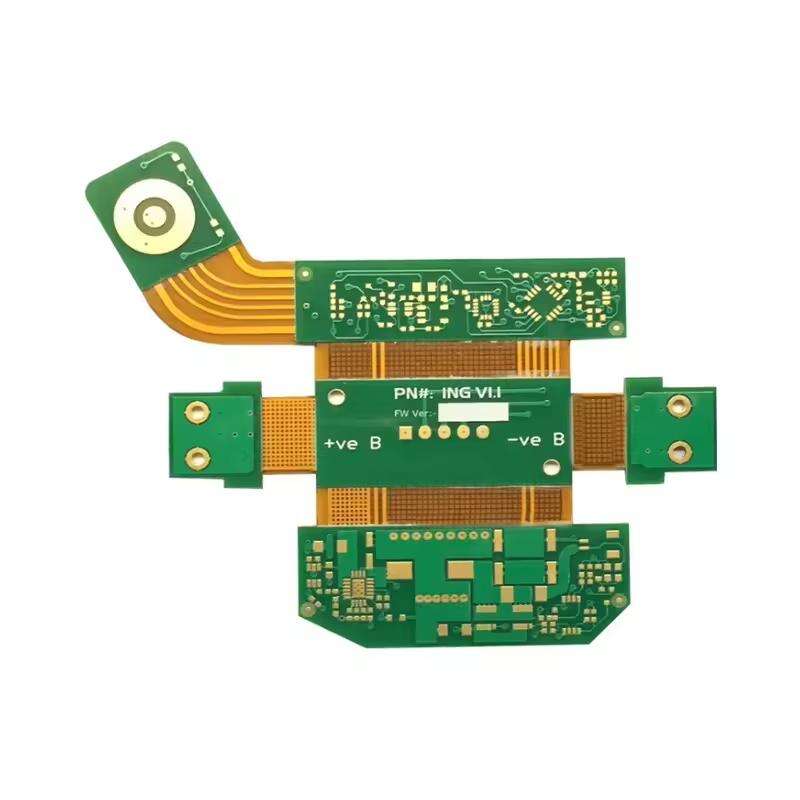
Supreme for breadboarding, not so supreme for reliability Common Pitfalls While flex PCBs are super useful, there are a few gotchas you should be aware of. One big issue is bending them too much. If you bend a flex PCB too far, for example, it may snap or fail. Always look at the bend radius, the tightness of curve in the board you can bend without breaking it. Another issue is soldering. Bad soldering can also lead to bad connections. This can result in functions not working as intended. When soldering, it’s vital to follow the temperature and technique guidelines. And, do be mindful of your materials. Flex PCBs may not get along with some materials and can suffer damage. Ensure that any adhesives, or coatings are compatible. Finally, always test your Flex PCB before incorporating it into a finished product. This helps to catch any issues early. By knowing these shared problems, you can use flex PCBs effectively for your projects and ensure they work well last long. For more advanced applications, exploring High Density Interconnect (HDI) technology may also be beneficial.
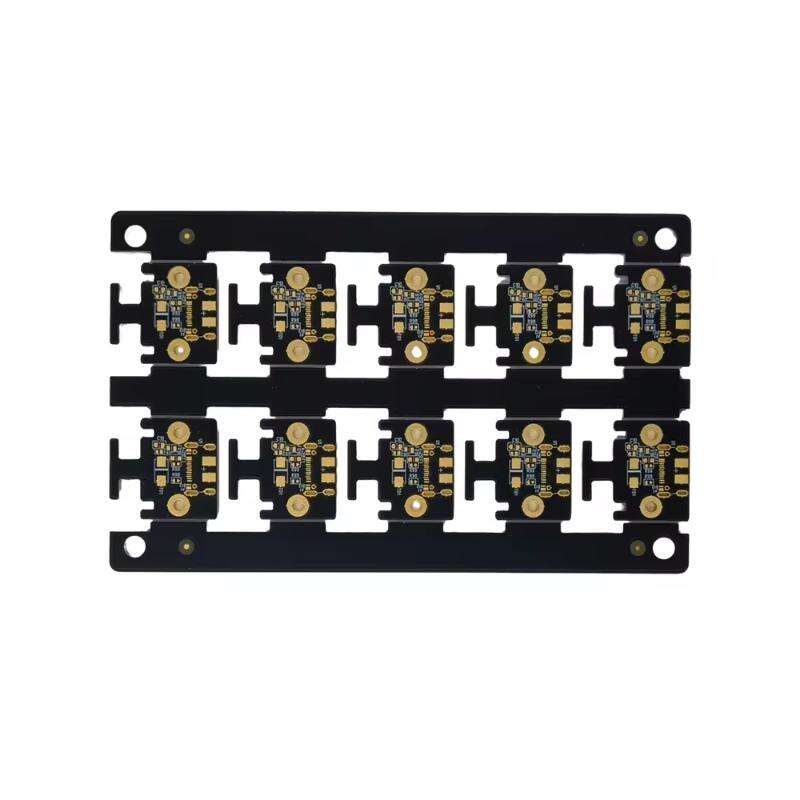
High-quality flex PCBs, or flexible printed circuit boards, are critical to many projects. If you’re looking for these boards to use in electronics, it can be overwhelming trying to find a good place to buy them. It's a good idea to start with companies that do flex PCBs. One excellent place to look at is Engine as they’re renowned for their well-built products. They have some different flex PCBs available for a variety of devices. Reading through my review and requesting samples are good ways to source these boards. That way, you can see the quality before ordering in bulk. Or you can go to trade shows and association events. These give you a chance to meet suppliers in person, and there could be solid finds at any number of them. A good chunk of the companies at shows have wholesale pricing, which can save you money. And compare prices among several suppliers.” Come up with a list of the features you need and see how each company stacks up against those needs. And of course, don’t forget to inquire about bulk discounts! If you buy a larger amount many suppliers will give you a discounted price per unit. Lastly, consider online marketplaces. Many electronic sites have a section for flex PCBs. Just remember to check the seller’s reputation before you buy. And when you work with a trusted business such as Engine, you know you can purchase high-end flex PCBs at prices that are within your budget.
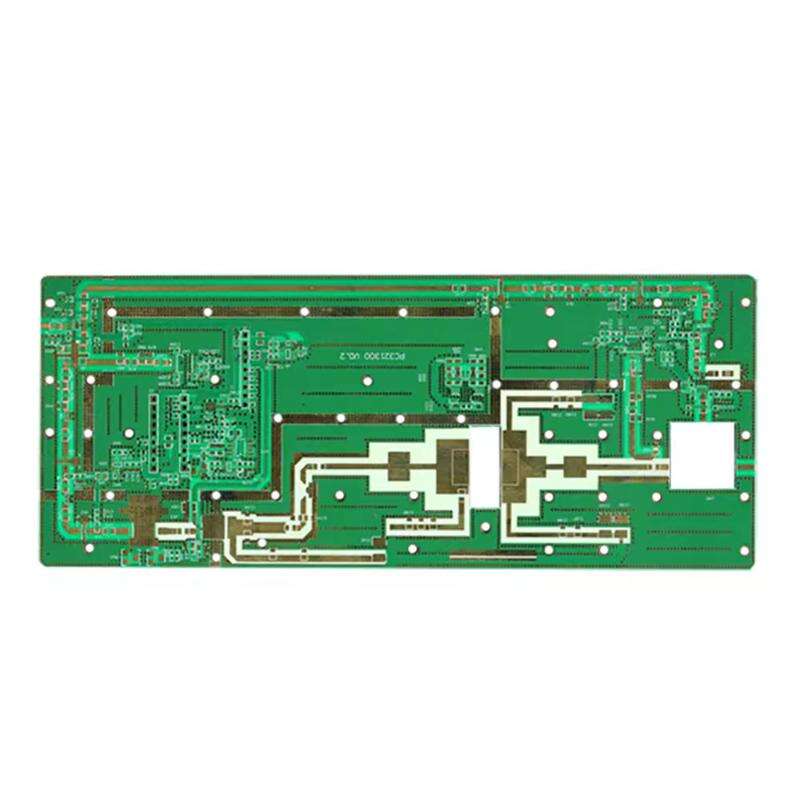
To see flex PCBs last a long time, how to improve the durability is essential. One method of minimizing is to start at the source, which can involve using the proper materials. Flex PCBs are available in a variety of materials, and some are sturdier than others. For instance, popular choices include polyimide at high temperatures and very-high; flexible diaphragm. When you employ materials such as polyimide, your PCBs have the ability to bend and flex without breaking. A second option to consider would be FR-4. Although it is not as flexible as the polyimide, it is very strong and can offer good support for the electronics. Engine has many tricks up its sleeve to help improve the reliability of your flex PCBs. Also important is the very design of the PCB itself. PlanetDwellKitchensCabinets Mr Riverstone advises us that by ensuring a layout is well thought out we can avoid potential stress points which may lead to damage. It’s also a good idea to consider how the PCB will be utilized. If it’s going to get splashed with water or chemicals, you might consider materials that can withstand that. Coatings, such as conformal coatings, may further protect. These coatings also prevent moisture and dust from corroding sensitive components on the PCB. And finally always bear in mind thickness of the board. On the other hand, a thicker board can make for better sturdiness but reduced flexibility. It's important to strike a balance between thickness and flexibility so that the PCB can perform well in its intended application.
 EN
EN
 FR
FR
 ES
ES
 PT
PT
 AR
AR
 RU
RU
 KO
KO
 JA
JA
 DE
DE
 NL
NL
 VI
VI
 BG
BG
 HR
HR
 CS
CS
 DA
DA
 FI
FI
 EL
EL
 HI
HI
 IT
IT
 NO
NO
 PL
PL
 RO
RO
 SV
SV
 TL
TL
 IW
IW
 ID
ID
 LT
LT
 SR
SR
 SK
SK
 HU
HU
 TH
TH
 TR
TR
 FA
FA
 GA
GA
 CY
CY
 IS
IS
 HY
HY
 LA
LA
 UK
UK