
The design and manufacturing process of PCBs are crucial for building electronic products. Printed circuit boards, or PCBs, are found in nearly all electronic devices from smart phones to washing machines. They allow different parts of the device to be connected, so that they work together. PCB design and assembly is tough, but necessary for ensuring our gadgets work as intended. Here at Engine, we specialise in producing quality Flexible PCBs and offering assembly solutions to fit our customers requirements. Knowing where to find reliable circuit board suppliers and being aware of common PCB assembly problems can assist in making the process less painful.
The choice of PCB suppliers is quite crucial. You don’t want them to not know what they are doing. Start by looking online. Many firms display their work on their websites. And you can get a sense of the quality by reading reviews from other customers. You might request referrals from friends or colleagues in tech. Most importantly, attending trade shows and tech fairs sometimes can also be of help. You can meet suppliers face to face and examine their goods firsthand. Remember to verify whether the supplier has experience in the type of PCB you are looking for. Some shops may only manage basic design, while others can take on the challenging work. It’s also a good idea to check their certifications. This demonstrates that they adhere to appropriate safety and quality criteria. For instance, a firm such as Engine makes its name by offering dependable design and assembly. You should also have a dialogue with your supplier. Talk to them about your project and ask questions. And a good supplier will be willing to assist and support you. They should get what it is you need and work with you on creating the best product available. It is this collaboration that is essential to successful PCB design and assembly. You should also feel assured that your supplier has your back at every step of the journey.
PCB assembly can have issues that will stall your production line, or create defective products. There are a number causes of mis-aligned elements. This occurs due to misplaced parts on the board. To prevent this, proper planning and accurate equipment are required. Automation can play some role in ensuring things are placed accurately. Another issue is soldering problems. If the solder does not melt properly, it may lead to weak connections. That can cause devices to stop working, or even break. Checking the soldering during assembly is critical. There are some tools that you can use to verify the quality of your solder joints. It’s also important to use the right things. Certain parts don’t fit together very well. For example, incorrect soldering can cause issues down the line. The best thing to do is to only work with reputable suppliers like Engine who supply top quality materials. Dust and dirt can also create problems in PCB assembly. The ability to keep your worktop clean can help there. Machines need regular maintenance, too. Dirty or misbehaving machines can disrupt the quality of the assembly. Finally, communication is crucial. It can produce errors if you are not sure of the design and the specifications. Checking everything over before you start with assembly can save a lot of time and fiddly work later. Understanding these common issues and what steps to take to avoid them can make the PCB assembly process run a bit more smoothly and effectively. Additionally, utilizing a High Density Interconnect (HDI) can enhance the efficiency of your PCB designs.
Lastly, don’t forget to double-check your design for mistakes before it goes off to get printed. Errors can be expensive, so go through everything with a fine-toothed comb. You can also log with software tools to help locate issues. With the tips above to help you optimize your PCB design, you can ensure that your board is both high-quality and affordable. We at Engine understand that a clever design can result in great savings and great products.
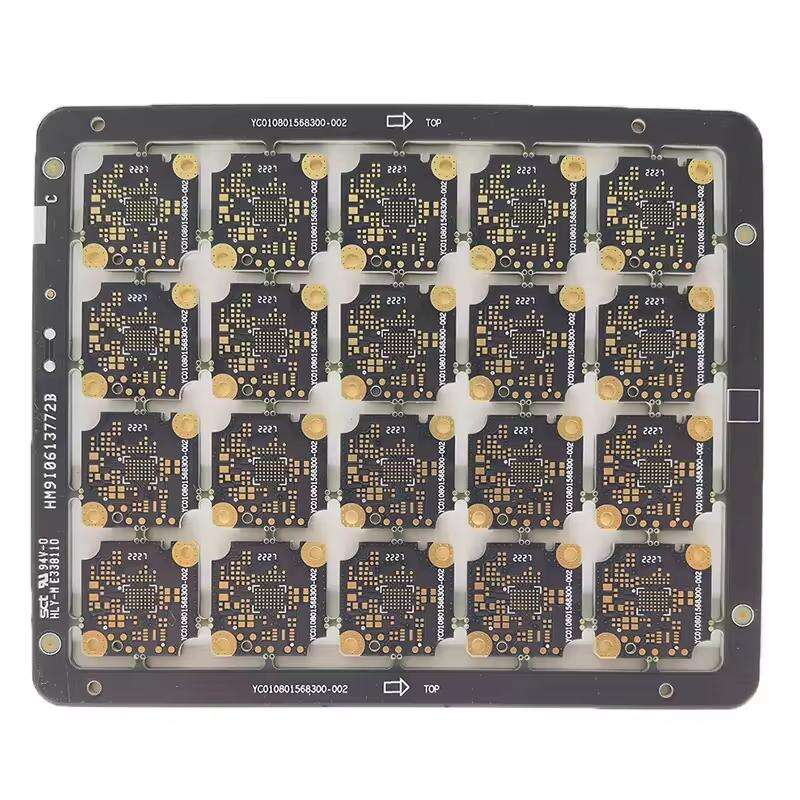
There are few remarkable trends in PCB design and assembly in 2023 that you should consider. Now, of course the use or flex PCBs is a big trend. These boards can flex and stretch, which makes them perfect for new devices such as wearables and smart gadgets. Flexible PCBs can be more creatively designed and take up less space. Flexible PCB Flexible Circuit Board Over the years, with the development of technology and the miniaturization of devices, flexible PCB is gradually popular trend.
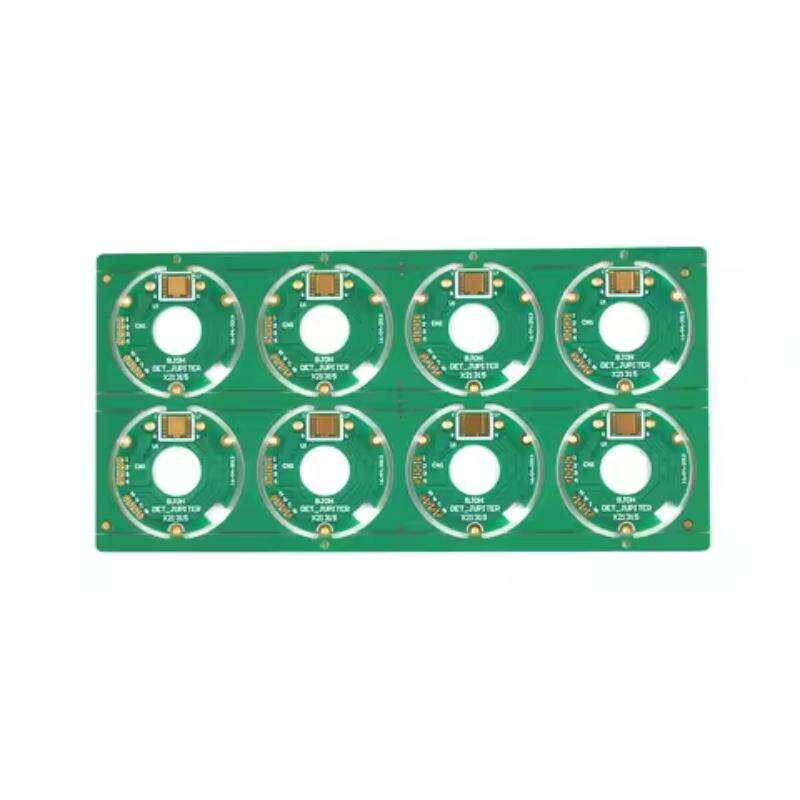
Rising automation in PCB assembly is another significant trend. Increasingly, machines are doing what humans have done. All this means PCBs can be produced more quickly and with greater accuracy. The process of assembly itself, in the context of assembling components to form a product, is made less prone to errors through automation resulting in better quality products. A growing number of firms are buying high-tech machines that can rapidly and precisely put components on the board.
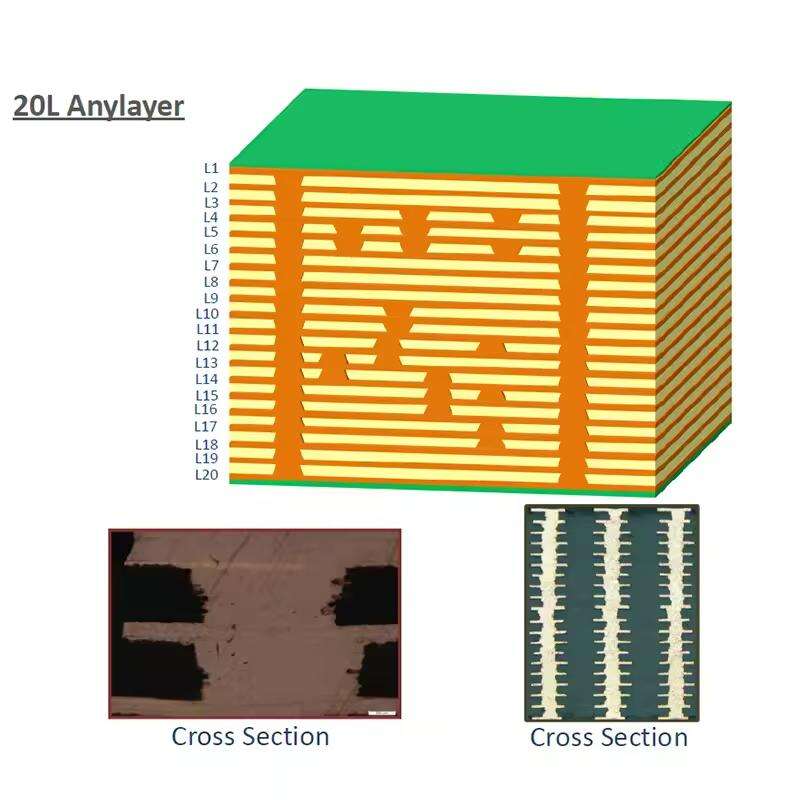
2023: Sustainability is also a major issue in 2023. As it declared during launch, 1 a high priority for the PassMark team is to ensure that its PCB’s can be recycled. This can include making boards that require less energy or using materials that are quicker to recycle. Here at Engine, we recognize the value of being good stewards to our planet, and we take pleasure in doing what we can to support green initiatives through PCB manufacturing.
 EN
EN
 FR
FR
 ES
ES
 PT
PT
 AR
AR
 RU
RU
 KO
KO
 JA
JA
 DE
DE
 NL
NL
 VI
VI
 BG
BG
 HR
HR
 CS
CS
 DA
DA
 FI
FI
 EL
EL
 HI
HI
 IT
IT
 NO
NO
 PL
PL
 RO
RO
 SV
SV
 TL
TL
 IW
IW
 ID
ID
 LT
LT
 SR
SR
 SK
SK
 HU
HU
 TH
TH
 TR
TR
 FA
FA
 GA
GA
 CY
CY
 IS
IS
 HY
HY
 LA
LA
 UK
UK