
FR-4 is very widely used to manufacture PCBs due in large part to its great advantages. First, it is very strong. That means it’s not likely to break too easily, even with use in devices that could be dropped or bumped. Secondly, FR-4 is resistant to heat. That’s especially important for electronics, which can produce heat in operation. And if the material can’t take that, it may melt or become damaged. Additionally it’s not prohibitively expensive, and is practical for most companies. Plus, it's easy to handle. Cutting, milling and drilling holes into it poses few problems for manufacturers. This helps speed up production. For instance at Engine we frequently use FR-4 on our PCBs because it’s good quality and not too expensive. It is also advantageous if the FR-4 has good electric insulating properties. It means that it keeps the electrical signals from leaking out, and this is important for the performance of devices. Lastly, FR-4 is also lightweight. This is fantastic news for a portable gadget, such as a smartphone, where every gram matters. All in all, FR-4 is a proven material that numerous companies rely on for their PCB requirements. For specialty applications, many companies opt for High Density Interconnect (HDI) PCBs due to their compact design.
Eco-friendly options for materials used in PCBs can be a little tricky to find, but it’s becoming easier. Now many companies are trying to figure out how to make products that are better for the environment. One method of locating green materials is to seek out suppliers that emphasize sustainability. Biodegradable plastics or recycled materials can be used in the manufacture process. It’s also worth looking to see whether the supplier has any certifications that indicate they are maintaining ecologically-friendly standards. Some suppliers, for example, might employ materials derived from sustainable sources or that can be recycled when no longer needed. Here at Engine, we’re always looking for more from the future — not just what’s good for business, but what’s good for our planet. The other thing is to consider local suppliers. Supporting local businesses not only is good for the economy, it can help save emissions because less transportation is needed. Companies are also beginning to form collaborations with the universities and research institutes for the development of thermoplastic materials. This is useful for accelerating the arrival to market of new ideas. When we choose eco-friendly materials, we contribute to less waste and fewer pollutants in the environment: all good things for future generations.
When checking out PCBs, there are a few key things you should focus on. First thing you want to look is the quality of materials used in PCB. Quality materials make the board function well and last for a long time. Cheaper materials may break down or develop such flaws, and that can lead to trouble with electronic devices. Second, notice how thick the PCB is. Thicker boards have a greater capacity to hold components and are more flexible for complex designs. And this is very important if you want your electronic device to work properly. Additionally, consider using Multilayer PCB for more complex designs that require higher component densities.
The PCB design should also be taken into account. An elegantly laid out board is the one that puts things in the proper layout so electricity goes through without any hitches. This is to say that components are optimally parked, with an eye toward avoiding problems such as short circuits. Short circuits occur when electricity follows an incorrect route, sometimes damaging the board or the device in which it sits. It’s also important to consider the size of the PCB. If you want something that isn't too large, a smaller PCB is likely to work better - provided it still fits your project needs.
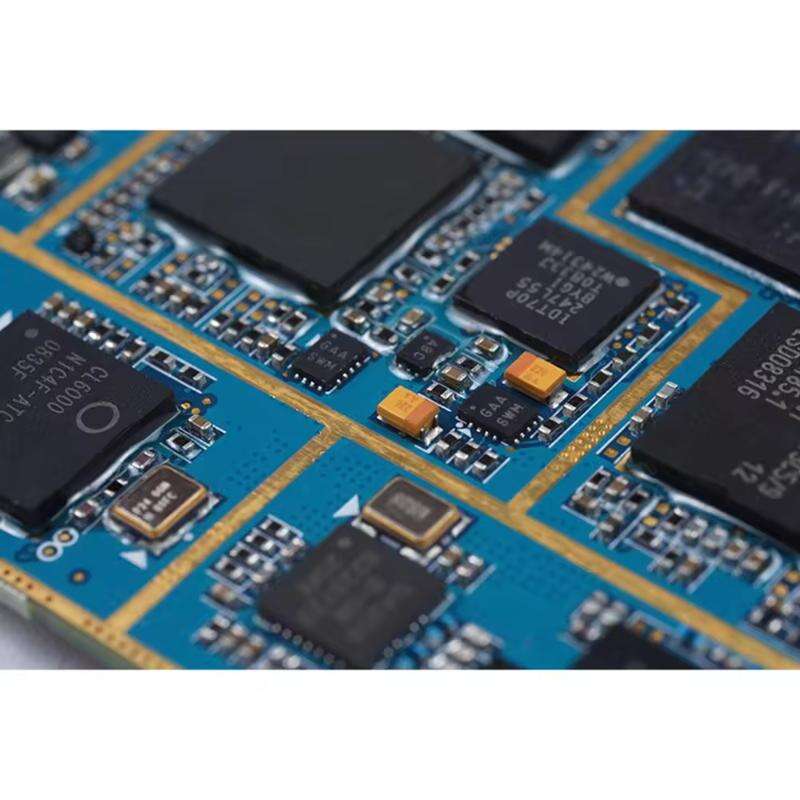
Lastly, consider how the board will be put to use. If it is going to end up in a place that’s hot or wet, you want to ensure it can handle those conditions. Not all PCBs are created equal when it comes to challenging environments. Picking the right PCB is about considering all these little facets so that, when all is said and done, you have a delightful board for your collection. At Engine, we specialize in building the type of high quality PCBs necessary to satisfy various requirements and environments, so that your electronic devices function at optimal levels.
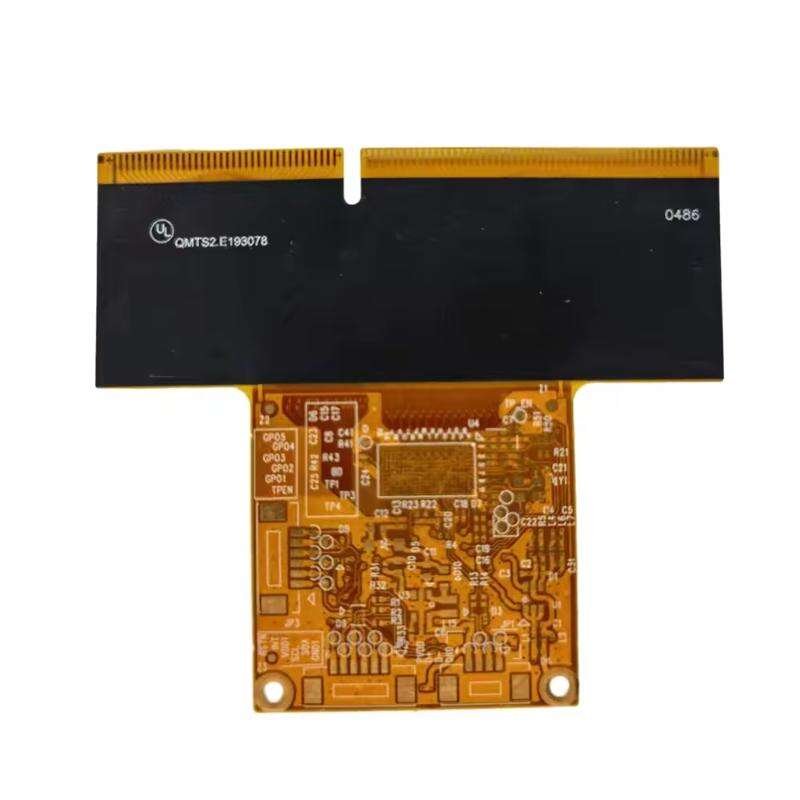
HDI means High-Density Interconnect, these kind of PCBs are very common for high-tech solutions. One of the factors that makes people use HDI PCB is because they are more condensed. This makes it possible for them to be small and yet contain many components, or a smaller number of sharper centers. This is crucial for devices like smartphones and tablets, which have limited space but need power. The small size is also an advantage related to weight. If you are a person who likes hauling their devices around, lighter is better.
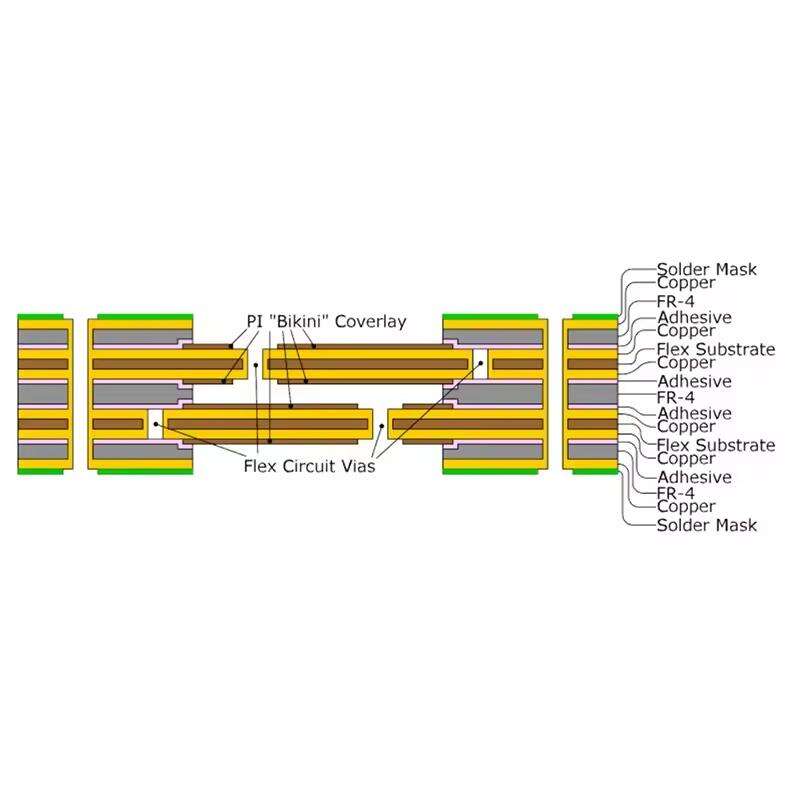
Selecting proper materials for PC boards that are required to operate at high frequencies is very important. Among the high-frequency applications there are devices and communication systems which signals must travel at very high speed. The most important thing to consider is the dielectric constant of the material. It measures how good the material is at storing electrical energy. Material with a low dielectric constant is generally better for high-frequency applications because it frees signals to move with less resistance while also enabling them to retain more strength along the way.
 EN
EN
 FR
FR
 ES
ES
 PT
PT
 AR
AR
 RU
RU
 KO
KO
 JA
JA
 DE
DE
 NL
NL
 VI
VI
 BG
BG
 HR
HR
 CS
CS
 DA
DA
 FI
FI
 EL
EL
 HI
HI
 IT
IT
 NO
NO
 PL
PL
 RO
RO
 SV
SV
 TL
TL
 IW
IW
 ID
ID
 LT
LT
 SR
SR
 SK
SK
 HU
HU
 TH
TH
 TR
TR
 FA
FA
 GA
GA
 CY
CY
 IS
IS
 HY
HY
 LA
LA
 UK
UK