
عندما يتعلق الأمر بتصنيع الأجهزة الإلكترونية، فإن لوحات الدوائر المطبوعة متعددة الطبقات (PCBs) مهمة للغاية. نستخدم هذه اللوحات للتمكن من الربط بين أجزاء مختلفة من جهاز ما في مساحة محدودة. وتتكون لوحات الدوائر متعددة الطبقات من عدة طبقات من المواد مما يتيح تصاميم ذات كثافة أعلى وبمسارات أقصر. ويرجع السبب إلى أن اللوحات متعددة الطبقات قادرة على استيعاب عدد أكبر من التوصيلات مقارنةً بنظيراتها ذات الطبقة الواحدة. إذا كنت ترغب في معرفة المزيد حول أماكن العثور على خدمات جيدة لتصميم لوحات الدوائر متعددة الطبقات بالجملة، أو حلول للمشاكل الشائعة التي قد تواجهها أثناء تصميم مثل هذه اللوحات، فسنقوم بتغطية هذه المواضيع أيضًا.
خدمات تصميم لوحات الدوائر المطبوعة متعددة الطبقات عالية الجودة، قد يكون من الصعب أحيانًا العثور على مستوى عالٍ من خدمات تصميم لوحات الدوائر المطبوعة متعددة الطبقات، خاصةً إذا كنت ترغب في إجراء مشتريات بكميات كبيرة. إن البدء عبر الإنترنت يعد خيارًا جيدًا جدًا. فهناك عدة شركات مثل Engine تحافظ على مواقع إلكترونية تعرض من خلالها خدماتها. وغالبًا ما تُظهر أمثلة عن أعمالهم وتعليقات العملاء. وهذا سيعطيك فكرة عن الجودة. كما ستحتاج أيضًا إلى العثور على شركات لديها خبرة في مجال صناعتك. وبما أن بعض الأجهزة قد تتطلب أنواعًا مختلفة من لوحات الدوائر المطبوعة، فمن المفيد أن تعثر على مزوّد يفهم احتياجاتك تمامًا. نصيحة أخرى هي طلب التوصيات من الآخرين الذين يعملون في نفس مجالك. فإذا كان لديك أصدقاء أو زملاء استخدموا خدمة لتصميم لوحات الدوائر المطبوعة، فقد يتمكنون هم أيضًا من إخبارك عن تجربتهم. وأخيرًا، قد ترغب أيضًا في التواصل مباشرة مع مزودي الخدمة المحتملين. فأي شركة جيدة ستكون سعيدة بالإجابة عن أسئلتك وتزويدك بنظرة عامة عن طريقة عملها. إليك بعض هذه المعلومات لمساعدتك على الشعور بثقة أكبر بشأن قرارك. بالإضافة إلى ذلك، قد ترغب في استكشاف خيارات أخرى لـ أقراص للكربون متعددة الطبقات حلول تلبي احتياجاتك المحددة.
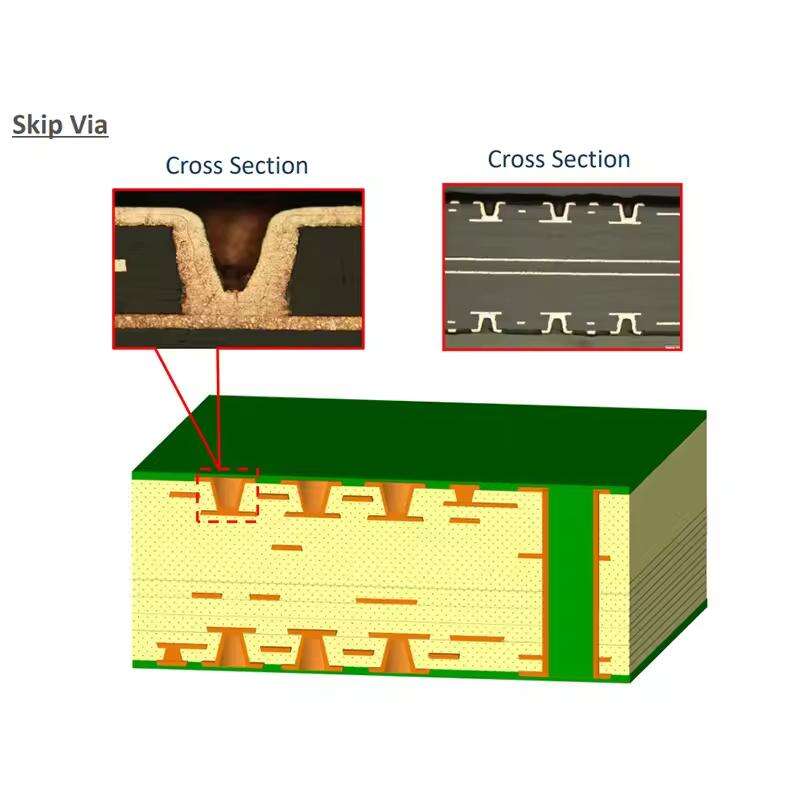
عندما يتم تصميم لوحات الدوائر المطبوعة متعددة الطبقات (PCB)، ستواجه بعض المشكلات الشائعة. إحدى هذه المشكلات هي التداخل الإشاري، الذي يحدث عندما تؤثر الإشارات في طبقة ما على إشارات في طبقة أخرى. ويمكن معالجة هذه المشكلة باستخدام استراتيجيات أرضية أفضل أو بإبعاد الإشارات الحساسة عن الأجزاء الضوضائية من اللوحة. قد تظهر مشكلة أخرى تتعلق بالفصل بين الطبقات؛ فإذا كانت الطبقات قريبة جداً من بعضها البعض، فقد يتسبب ذلك في مشكلات تتعلق بالحرارة وقد يؤدي حتى إلى حدوث دوائر قصيرة. ومع ذلك، يمكنك تقليل احتمال حدوث ذلك من خلال الالتزام بتوجيهات الفاصل الموصى بها. كما قد تواجه مشكلات تتعلق بمواد لوحة الدوائر المطبوعة، حيث يمكن أن تتغير طريقة عمل اللوحة باختلاف المواد المستخدمة. ويُعد استخدام مواد مناسبة جزءاً مهماً لضمان عمل اللوحة بشكل صحيح. على سبيل المثال، الاختيار لصالح اتصال عالي الكثافة (HDI) يمكن أن تعزز الأداء بشكل كبير. أخيرًا، يمكن أن تصبح إدارة الملفات من تصميمك كابوسًا. فقد تختلط الملفات أحيانًا أو تُفقد. حافظ على نظام تسمية متسق لملفاتك للمساعدة في تنظيم العمل. إن التعرف ببساطة على هذه القضايا، وتعلم كيفية معالجتها، سيجعل عملية تصميم لوحات الدوائر المطبوعة (PCB) أسهل بكثير.
تُعد لوحات الدوائر المطبوعة متعددة الطبقات (PCBs) مكونات لا غنى عنها في عدد كبير من الأجهزة الإلكترونية التي نستخدمها يوميًا. وتشتمل هذه اللوحات أيضًا على طبقات متعددة، مما يجعلها أكثر قوة وموثوقية. كما توجد أيضًا الأداء، وهو مدى فعالية تشغيل المنتج. يمكننا إضافة المزيد من المكونات إلى لوحة باستخدام لوحات الدوائر المطبوعة متعددة الطبقات في مساحات أصغر. وهذا أمر مهم لأن العديد من الأجهزة في الوقت الحاضر أصبحت تتقلص باستمرار في الحجم. على سبيل المثال، فكّر في الهواتف الذكية. فهي تحتوي على كاميرات وألعاب وتطبيقات، كلها مدمجة في جهاز بحجم الجيب. ولربط كل هذه المكونات، يستخدم المهندسون لوحات دوائر مطبوعة متعددة الطبقات لا تحتاج إلى مساحة كبيرة.
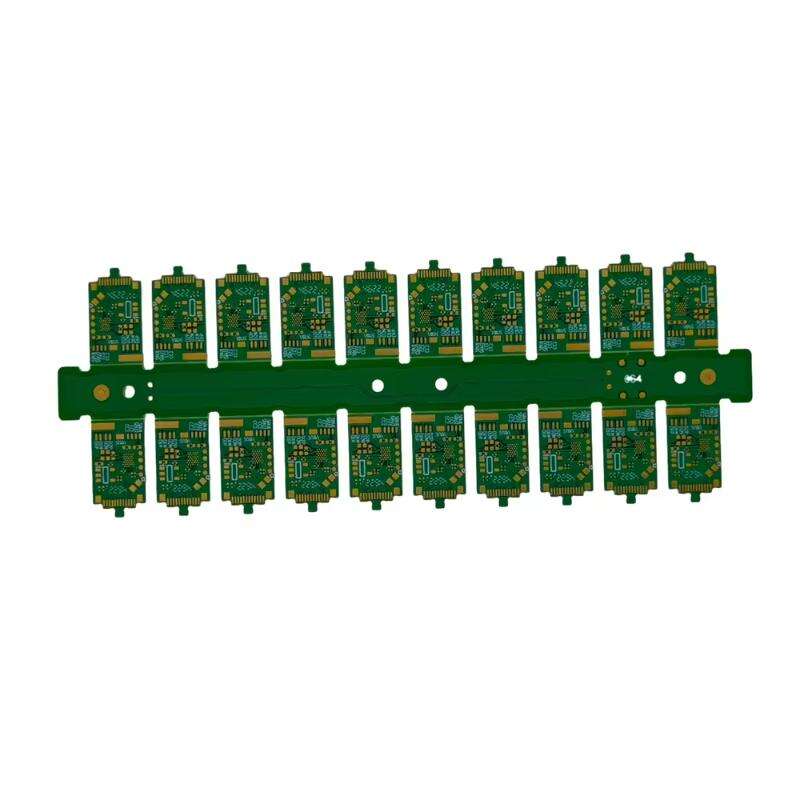
الموثوقية هو جانب آخر مهم. الروابط بين المنتجات المختلفة تكون أقوى بكثير باستخدام لوحات الدوائر متعددة الطبقات. وهذا يعني أنها أقل عرضة للانكسار أو الفشل. تخيل أن جهاز تشغيل لعبة الفيديو المفضلة لديك توقف عن العمل بسبب سلك معيب بداخله. سيكون ذلك مُحبِطًا! تحمي الهياكل متعددة الطبقات من هذا النوع من المشكلات، مما يضمن الأداء الموثوق لأجهزتك على مر الزمن. علاوةً على ذلك، فإن اللوحات متعددة الطبقات قادرة أيضًا على تحمل درجات حرارة أعلى. يمكن أن ترتفع حرارة الإلكترونيات عندما تعمل بجهد كبير. تم تصميم اللوحات متعددة الطبقات لتتغلب على هذه الحرارة بكفاءة أكبر، ما يمكّنها من الاستمرار لفترة أطول قبل أن تتآكل.
وخدعة أخرى هي العثور على مصدر المواد المستخدمة في تصنيع لوحات الدوائر المطبوعة (PCB). وفي بعض الأحيان النادرة، يمكن أن تُستخدم مواد أقل تكلفة للحفاظ على انخفاض التكاليف، ولكنها قد تكون أقل موثوقية. تأكد من أن المورد مثل شركة Engine يستخدم مواد عالية الجودة والتي تضمن أداءً عاليًا وموثوقيةً لمنتجاتك. كما يمكنك قراءة التقييمات أو العثور على شهادات من عملاء آخرين. وبهذه الطريقة، يمكنك تكوين فكرة عما إذا كانت الشركة معروفة بتقديم لوحات دوائر متعددة الطبقات رخيصة وعالية الجودة. ويمكنك أيضًا تخصيص المزيد من الوقت للبحث والمقارنة بين أفضل العروض لمشترياتك بكميات كبيرة.
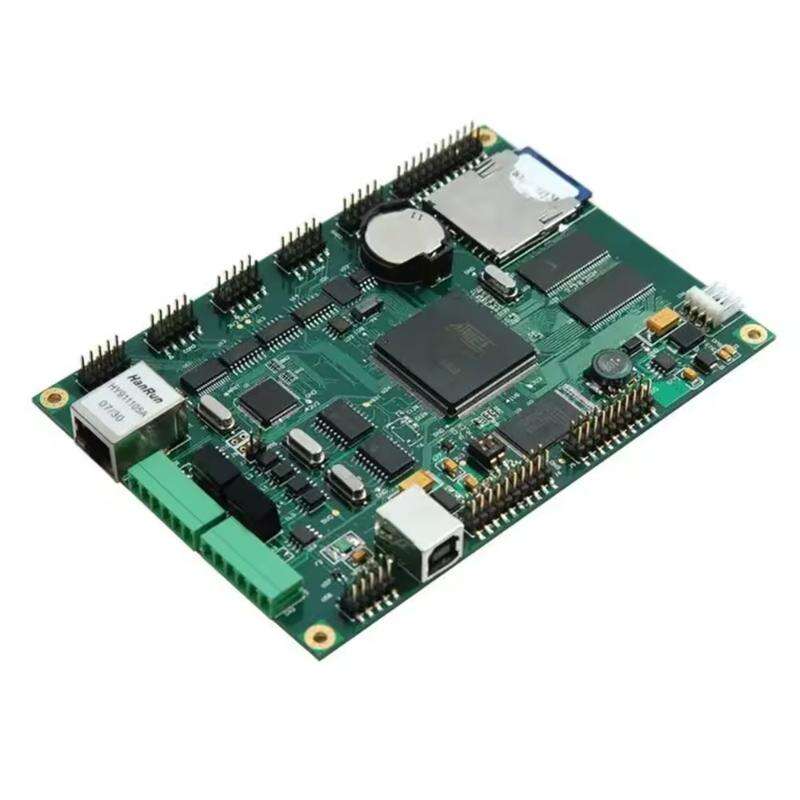
طريقة واحدة لضمان مستوى عالٍ من الجودة هي اتخاذ ضوابط صارمة منذ مرحلة التصميم وحتى الإنتاج. من المهم فحص التصميم بدقة قبل بدء الإنتاج. وهذا يشبه التحقق من ترتيب الأشياء وأبعادها الفعلية، وكذلك مناطق الاتصال. فقد تؤدي الأخطاء في هذه المرحلة إلى مشكلات مكلفة لاحقًا. يجب متابعة عملية التصنيع بدقة بمجرد قبول الرسومات الأولية. ويعني ذلك التأكد من أن الآلات تعمل بشكل صحيح واستخدام المواد الصحيحة.
 EN
EN
 FR
FR
 ES
ES
 PT
PT
 AR
AR
 RU
RU
 KO
KO
 JA
JA
 DE
DE
 NL
NL
 VI
VI
 BG
BG
 HR
HR
 CS
CS
 DA
DA
 FI
FI
 EL
EL
 HI
HI
 IT
IT
 NO
NO
 PL
PL
 RO
RO
 SV
SV
 TL
TL
 IW
IW
 ID
ID
 LT
LT
 SR
SR
 SK
SK
 HU
HU
 TH
TH
 TR
TR
 FA
FA
 GA
GA
 CY
CY
 IS
IS
 HY
HY
 LA
LA
 UK
UK