
 EN
EN
 FR
FR
 ES
ES
 PT
PT
 AR
AR
 RU
RU
 KO
KO
 JA
JA
 DE
DE
 NL
NL
 VI
VI
 BG
BG
 HR
HR
 CS
CS
 DA
DA
 FI
FI
 EL
EL
 HI
HI
 IT
IT
 NO
NO
 PL
PL
 RO
RO
 SV
SV
 TL
TL
 IW
IW
 ID
ID
 LT
LT
 SR
SR
 SK
SK
 HU
HU
 TH
TH
 TR
TR
 FA
FA
 GA
GA
 CY
CY
 IS
IS
 HY
HY
 LA
LA
 UK
UK
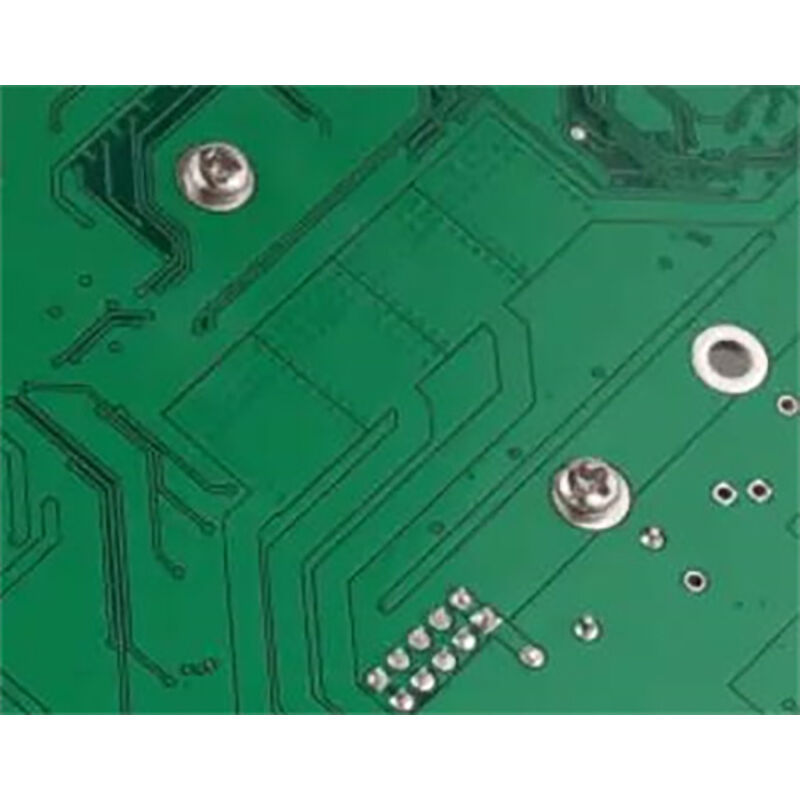
When it comes to making electronics, there is two main types of printed circuit boards (PCBs): flexible and rigid. Flexible PCBs can bend and twist, which make them good for devices that needs to fit in tight spaces or move. Rigid PCBs, on the other hand, are stiff and strong, ideal for devices that require a solid base. At Engine, we know how important choosing the right kind of PCB for your project is. This article help you understand the differences between flexible and rigid PCB assembly and give some tips on what to look out for.
What Are the Key Differences Between Flexible and Rigid PCB Assembly?
The biggest difference between flexible and rigid PCBs is in how they built. Flexible PCBs use materials that can bend, like polyimide or polyester. This make them lightweight and easy to form. You can find flexible PCB assembly in smartphones, wearable, where space is limited. Rigid PCBs, however, made from things like fiberglass. They are thick and tough, which suit them for bigger electronics like computers.
And another difference is how they connect to other components. Flexible PCBs often has connectors that handle bending, while rigid PCBs usually use fixed ones. So if you need something that moves, like a phone screen that folds, flexible PCB is better choice. But for parts that stay still, a rigid PCB works fine.
Cost can also vary between the two. Flexible PCBs are often more costly to produce because of their special materials and designs. Rigid PCBs is usually cheaper, thats why they used in many daily products. In terms of performance, flexible PCBs can manage stress and shape changes better than rigid ones. However, rigid PCBs can support more complex circuits and parts.
At Engine, we have experience with both kinds of PCBs, and we know how to pick the best one based on your needs. Whether you want something bendy or sturdy, we here to help.
What to Watch Out For
When choosing between flexible and rigid PCBs, there are some key things to keep in mind. First, think about what your product does. Will it move a lot, or stay in one spot? If it needs to bend, flexible PCBs are the way to go. If it just sits there, a rigid PCB will do well.
Next, consider the size and weight of your device. Flexible PCBs great for small and light gadgets, while rigid ones can handle bigger components better. If your product heavy or has lots of parts, rigid PCB may be better.
Another factor is the cost. If you on a tight budget, rigid PCBs can save money. But if you need flexibility for specific reasons, it might worth the extra expense.
Lastly, don't forget the manufacturing process. Flexible PCBs can take longer to make because they more complex. Rigid PCBs often produced faster. At Engine, we understand these issues and can guide you to find the best solution for your project. Choosing right will ensure your product works good and meets what you expect.
Flexible vs Rigid PCB Assembly Comparison
Flexible PCB assembly has many advantages compared to rigid PCB assembly. First, lets talk about the bend. Flexible PCBs made from materials that twist and bend. This mean they fit into small spaces and around curves in devices. For example, in a smartphone, it needs to be thin and light. Flexible PCBs help with that because they save space. On the other hand, rigid PCB circuit board are stiff and only fit in straight spots. This make them less good for tiny or curved gadgets. Another plus is that flexible PCBs are lighter. Lighter stuff means the whole product, like a wearable, is lighter too. This important for daily carry items, like smart watches. Also, flexible PCBs can handle vibrations and movements better. Thats helpful in things that move a lot, like drones. Rigid PCBs, though strong, can break if bent. This toughness make flexible ones better for modern devices. In addition, flexible PCBs can reduce the number of parts in a device. Fewer parts mean simpler assembly and maybe lower costs. This help companies like Engine create high-quality products that efficient to produce. Overall, flexible PCB assembly offer benefits that make it smart for todays tech.
Sourcing High-Quality Rigid PCB Assembly
When sourcing high-quality rigid PCB assembly, there few things to remember. First, find a trusted supplier. Look for companies with good reviews and solid reputation in the field. These often have the right tools and skilled people to make quality rigid PCBs. You want PCBs made with care. Engine focus on top rigid PCB assembly, making sure every product meet strict standards. Another factor is the materials in assembly. Good materials make big difference in performance. Ask about what suppliers use and pick those known for lasting and reliable. Its also good to think about if the supplier can meet your needs. For large orders, you need one that handle it. Engine experienced in big wholesale orders, getting them done on time. Plus, communication matter. A good supplier keep you updated during the process. This ensure things go smooth and you get what you ordered. Finding right source for rigid PCB assembly can impact your products success a lot.
Now, let's talk about the cost of flexible vs rigid PCB board wiring assembly. Flexible PCBs typically more expensive than rigid. That's because flexible materials are more expensive and assembly process more complex. But consider the big picture. Flexible PCBs can reduce manufacturing costs. For example, they are lighter, multi-functional, so you could use less components. This reduces costs for materials and labour. On the other hand, rigid PCBs are cheaper, but could cost more in the long run. A rigid product that breaks easy, it has to be replaced, increasing costs. And if it weighs more, more to ship it. Engine aim to provide quality and value, helping customers make right choice. So, when choosing between flexible and rigid PCB assembly, look beyond upfront cost and think about how it will impact your product's lifecycle. This ensures cost savings and improved products.