Monikerroksisten piirilevyjen (PCB) tuottaminen on olennainen osa modernia teknologiaa. Näitä levyjä käytetään monissa laitteissa, mukaan lukien puhelimissa ja tietokoneissa sekä autoissa. Niitä käytetään yhdistämään laitteen eri osat, jotta ne voivat toimia yhdessä. Monikerroksisten PCB:iden valmistus edellyttää useiden materiaalikerrosten pinnoittelua muodostaakseen piirisuunnitelman. Tähän tarvitaan työkaluja ja taitoja, jotta voidaan varmistaa, että levyt ovat luotettavia ja toimivia. Yritykset kuten Moottori keskittyvät monikerroksisiin ammattimaisiin PCB-palveluihin täyttääkseen erilaisten teollisuudenalojen tarpeet. Hyvien toimittajien löytäminen ja valmistuksen mahdollisten ongelmien ymmärtäminen auttavat yrityksiä menestymään.
Niille, jotka etsivät luotettavia monikerroksisten PCB-piirilevyjen valmistajia, on tehtävä tarkastelua. Voit aloittaa etsimällä yrityksiä verkon kautta tai käyttämällä Googlea löytääksesi PCB-valmistajia. Tarkista arviot sekä muiden asiakkaiden palautteet, sillä ne antavat sinulle hyvän kuvan työn laadusta ja palvelusta. Voit myös katsoa, kuinka kauan yritys on toiminut alalla. Kokeneemmilla yrityksillä on yleensä paremmat taidot ja osaaminen. Saattaa olla myös hyödyllistä pyytää näytteitä heidän työstään. Näin saat selkeän käsityksen niiden piirilevyjen laadusta. Toinen hieno vinkki on suosia toimittajia, jotka tarjoavat tukea. Jos sinulla on kysyttävää tai tarvitset apua tilauksessasi, on hyvä tietää, että joku on saatavilla vastaamaan kutsuusi. Äläkä unohda vertailla hintoja. Vaikka halvat vaihtoehdot saattavat houkutella, ne voivat heikentää laatua. Engine tarjoaa paitsi johdonmukaista laatua myös erinomaista asiakaspalvelua, ja se on loistava vaihtoehto kaikille, jotka etsivät luotettavaa ratkaisua monikerroksinen PCB valmistuksen jälkeen.
Yleisiä ongelmia esiintyy usein monikerroksisen PCB:n valmistuksessa, ja on tärkeää ymmärtää, miten niiltä voidaan välttyä. Yksi tyypillinen ongelma on kerrosten kohdistus. Jos kerrokset eivät ole täsmälleen oikeassa asennossa toisiinsa nähden, PCB ei ehkä toimi kunnolla. Tämän estämiseksi vaaditaan tarkkaa mittaamista ja tarkistusta valmistuksen aikana. Toinen mahdollisuus on, että materiaalit eivät ole korkealaatuisia. Yksi haitoista on, että kun käytetään alhaisen laadun materiaaleja, se voi johtaa piirilevyn heikkoon suorituskykyyn tai jopa täydelliseen toimimattomuuteen. On aina parasta valita toimittajia, jotka käyttävät premium-luokan materiaaleja. Lisäksi juottaminen voi joskus olla vaikeaa. Se voi muuttua heikoksi, jos juottaminen tehdään väärin. Ne voidaan korjata käyttämällä asianmukaisia juottamistyökaluja ja ohjeita. Lopuksi, kattavat testit piirilevyistä ovat olennaisen tärkeitä ennen niiden integrointia laitteisiin. Tämä auttaa tunnistamaan virheet tai ongelmat varhaisessa vaiheessa. Engine tunnustaa nämä haasteet ja pyrkii varmistamaan, että monikerroksiset PCB:t saavat korkean tarkan huomion kaikissa sovelluksissa.
Monikerroksisen PCB-valmistuksen merkitys elektroniikalle tänä päivänäOn niin keskeistä modernille elektroniikalle, koska se mahdollistaa laitteiden valmistamisen pienemmällä alalla ja kevyemmin samalla kun lisätään kulutettavaa tehoa. Painettu piiri (PCB) on elektronisen tuotteen aivot. Se muodostaa sidoksen, joka yhdistää laitteen eri osat ja mahdollistaa niiden viestinnän sekä toiminnan sekä yksilöllisesti että kokonaisuutena. Aikaisemmin tällaisissa laitteissa käytettiin yksi- tai kaksipuolisia PCB:itä, joilla oli yhteysalue riittävä vain tietyssä määrin. Kehityksen edetessä kasvoi myös vaatimukset monimutkaisemmista koneista. Tässä vaiheessa astui esiin monikerroksinen PCB. Niissä voi olla kolmesta yli sataan kerrokseen pinottuna. Jokaisella kerroksella on oma piirinsä, joten enemmän yhteyksiä voidaan pakata pienempään tilaan. Tämä on ratkaisevan tärkeää tuotteille, kuten älypuhelimille, kannettaville tietokoneille ja jopa autoille, jotka täytyy olla pienempiä, mutta silti suoriutua tehtävistään.
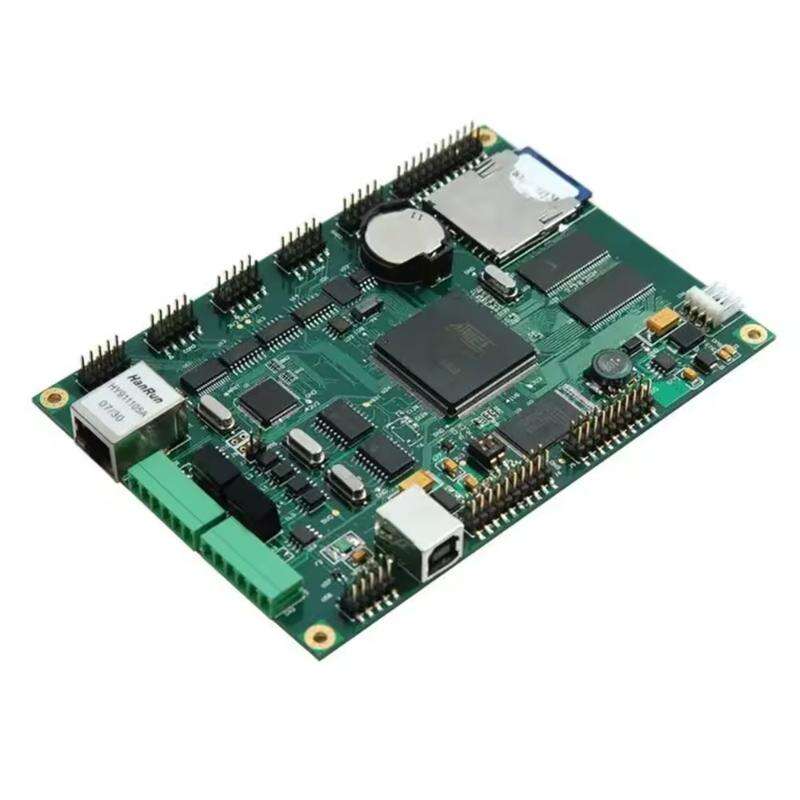
Toinen tärkeä syy siihen, miksi monikerroksiset piirit ovat niin ratkaisevan tärkeitä, on se, että ne parantavat elektronisten laitteiden suorituskykyä. Monikerroksisuus tarjoaa suunnittelijoille paremmat reitit sähköisten signaalien kulkuun. Tämä mahdollistaa nopeammat ja tehokkaammat laitteet. Esimerkiksi monikerroksinen piiri voi auttaa vähentämään signaalien välistä häiriöitä, jolloin laite toimii sujuvasti viiveiden tai katkojen ilman. Yritykset kuten Engine sitoutuvat tarjoamaan korkealaatuisia monikerroksisia piirejä juuri tätä tarkoitusta varten. Engine tarjoaa erinomaisesti sovitut ja huolellisesti valmistetut piirit, joiden toiminta takautuu nykyaikaisten valmistusmenetelmien ja materiaalien ansiosta. Kun kaikki ympärillämme kehittyy älykkäämmäksi ja nopeammaksi, monikerroksisten piirien valmistus on keskeinen rakennuspalikka varmistaaksemme, että teknologia pysyy vauhdissa vaatimustemme kanssa.
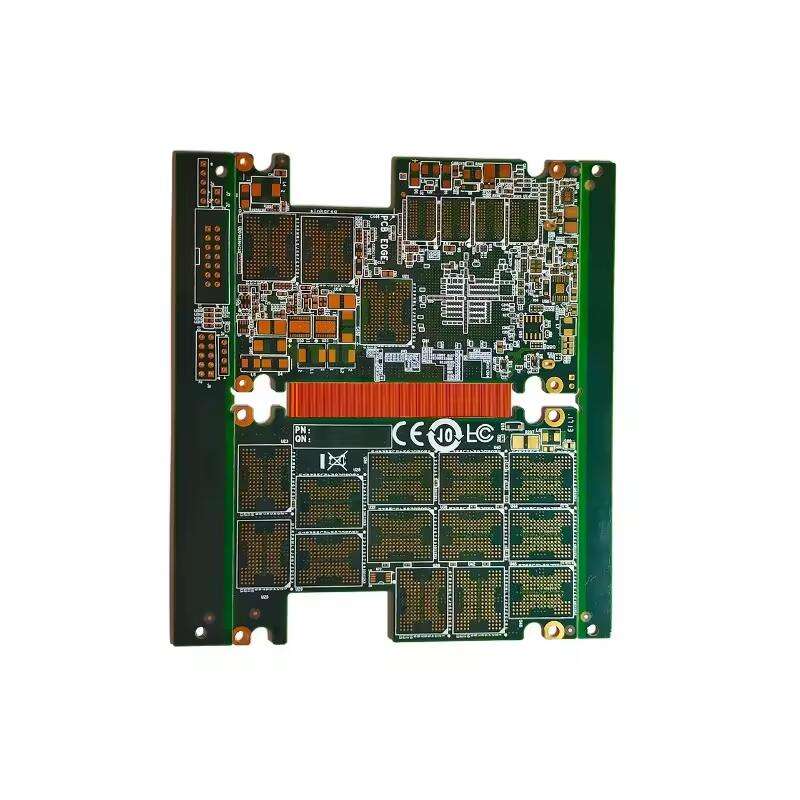
Monikerroksisen PCB:n suunnittelussa on esimerkiksi hyvä miettiä, miten voit säästää rahaa samalla kun teet mahtavan tuotteen. Yksi parhaista tavoista tähän on yksinkertaistaminen. Monimutkaisempi rakenne tarkoittaa korkeampia valmistuskustannuksia. Pysy siis yksinkertaisessa asettelussa, jos haluat säästää rahaa. Aloita tarpeellisesta, harkitse muita ominaisuuksia ja yritä sitten vastustaa kiusausta lisätä mitään, mikä ei ole lainkaan tarpeellista. Toinen tapa pitää kustannukset alhaisina on käyttää vähemmän kerroksia. Monikerroksisten PCB:ien haittapuoli on, että niiden valmistus voi olla hieman kalliimpaa. Jos kolme kerrosta riittää suunnitelmalle toimimaan asianmukaisesti, voidaan saavuttaa aika- ja kustannussäästöjä.
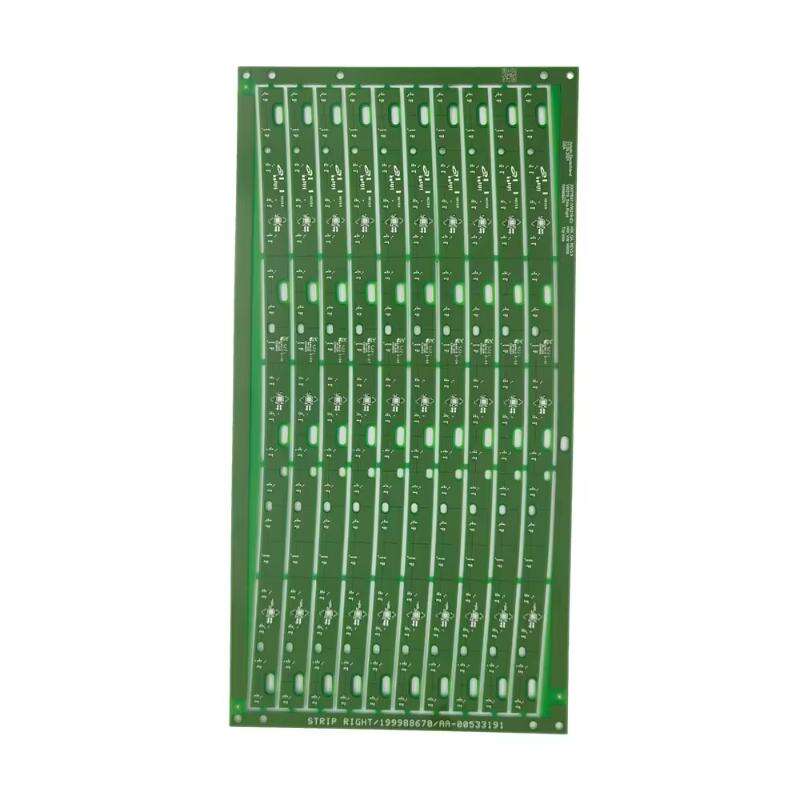
Toinen tapa säästää monikerroksisten piirikorttien valmistuskustannuksissa on valita standardimitat ja -konfiguraatiot. Useimmat valmistajat (myös Engine) tarjoavat parempia hintoja, jos piirikorttisi ovat yleisesti käytettyjä kokoja. Esimerkiksi, jos voit suunnitella piirikorttisi siten, että se voidaan leikata standardimittoihin, se on vielä parempi vaihtoehto. Tarvitset myös oikeat materiaalit. Erilaisilla materiaaleilla on eri hinnat, mutta kalliimpi materiaali ei välttämättä ole se, mitä tarvitset. Keskustelu projektistasi Engine-tiimin jäsenen kanssa auttaa sinua löytämään materiaalit, jotka sopivat parhaiten budjettiisi ilman, että laatu kärsii. »Ja varmasti: suunnittele asiat etukäteen«, hän sanoi. Jos jätät suunnittelun viimeiseen hetkeen, saatat joutua kiirehtimään suunnittelua, mikä voi johtaa kalliisiin tuloksiin. Kärsivällisyydellä ja etukäteen tehdyllä suunnittelulla voit valmistaa tehokkaan ja edullisen monikerroksisen piirikortin.
 EN
EN
 FR
FR
 ES
ES
 PT
PT
 AR
AR
 RU
RU
 KO
KO
 JA
JA
 DE
DE
 NL
NL
 VI
VI
 BG
BG
 HR
HR
 CS
CS
 DA
DA
 FI
FI
 EL
EL
 HI
HI
 IT
IT
 NO
NO
 PL
PL
 RO
RO
 SV
SV
 TL
TL
 IW
IW
 ID
ID
 LT
LT
 SR
SR
 SK
SK
 HU
HU
 TH
TH
 TR
TR
 FA
FA
 GA
GA
 CY
CY
 IS
IS
 HY
HY
 LA
LA
 UK
UK