
Չափսին համապատասխան մուդրի նախագծումը ցանկացած էլեկտրոնային սարք մշակելու կարևորագույն մասն է: Տպագրված մուդրը, կամ ՊԼՄ (PCB), սարքի ինտելեկտն է: Այն միավորում է բոլոր տարբեր մասերը՝ թույլատվելով դրանց համատեղ աշխատել: Երբ ՊԼՄ-ի ընկերությունները խոսում են «չափսին համապատասխան» աշխատանքի մասին, նկատի ունեն այս մուդրերի նախագծում՝ կատարելով հատուկ պահանջներ: Օրինակ, ինչ-որ մեկը, ով փորձում է ստեղծել ամբողջովին նոր խաղալիք կամ հիանալի սարք, կարող է անհրաժեշտություն ունենալ հատուկ նախագծված ՊԼՄ մուդրի: Մենք՝ Engine-ում, սիրում ենք օգնել մարդկանց մեր որակյալ չափսին համապատասխան ՊԼՄ տպման ծառայություններով ապրանք ներդնել: Մենք ամեն մի մուդրի հետևում ենք և երաշխավորում ենք, որ այն կաշխատի ինչպես պետք է: Այս հոդվածում քննարկվելու են ՊԼՄ տպման ծառայություններ ընտրելիս հաշվի առնելու որոշ բաներ և ձեր նախագծերի համար ճիշտ տարբերակը գտնելու ձևեր:
Մի քանի բան, որ պետք է հիշել սխեմատիկ տախտակի (PCB) հատուկ տպման ծառայություններ փնտրելիս: Առաջինը՝ դիտեք, թե ինչ տեխնոլոգիա են կիրառում: Պրոֆեսիոնալ տպիչները պետք է ունենան թարմացված սարքավորումներ, որոնք կարող են տպել շատ մանրամասն դիզայններ: Սա կարևոր է, քանի որ փոքր սխալները կարող են մեծ հետևանքներ ունենալ: Օրինակ, եթե տախտակի վրա գծերը ուղիղ չեն, սարքը կարող է դադարել աշխատել: Երկրորդը՝ փնտրեք այնպիսի ընկերություն, որն ունի աշխատանքային փորձ: Նախագծերի շատ թվով աշխատած թիմը կգիտակցի այս ամբարիշտները: Նրանք նաև կարող են առաջարկել ձեր դիզայնը բարելավելու եղանակներ: Երրորդը՝ հաճախորդի սպասարկումը կարևոր է: Դուք փնտրում եք այնպիսի ընկերություն, որն ձեզ լսում է: Նրանք պետք է պատրաստ լինեն պատասխանելու ձեր հարցերին և օգնելու դիզայնի ընտրության մեջ: Վերջապես, ուշադրություն դարձրեք նյութերին, որոնք նրանք օգտագործում են: Լավ նյութերը կանեն ձեր PCB-ն ավելի տևական: Բոլոր սրանք այն բաներն են, որոնք մենք հաշվի ենք առնում Engine-ում: Դուք ընտրում եք ճիշտ տարբերակը՝ կախված ձեր պահանջներից: Եթե ձեզ հետաքրքրում են ավելի բարդ դիզայններ, դիտարկեք մեր տարբերակները՝ Բարձր խտությամբ միացում (HDI) Տեստեր
Կարևոր է ընտրել ձեր հատուկ մուդրի տպման գործընկերոջը: Դուք ցանկանում եք համագործակցել այնպիսի ընկերության հետ, որը հասկանում է ձեր պահանջները: Սկսեք նրանց նախագծերի հավաքածուն ուսումնասիրելով: Դա կցուցադրի, թե ինչ տեսակի աշխատանքներ են նրանք կատարել անցյալում: Դա կօգնի որոշել, թե արդյոք նրանց ոճը համընկնում է ձեր պահանջների հետ: Հաջորդը՝ հարցեք, թե ինչպես է այն պատրաստվում: Լավ գործընկերը պետք է բաց լինի իր մուդրի արտադրման գործընթացի վերաբերյալ: Նրանք պետք է պարզ լինեն նաև յուրաքանչյուր քայլում որո՞ւն որակի ապահովման գործընթացն է օգտագործվում: Կարևոր է նաև կապը: Ձեզ անհրաժեշտ է մեկը, ով ձեզ տեղեկացնի ձեր նախագծի մասին: Այսպիսով, դուք կարող եք պատրաստվել և կատարել փոփոխություններ, եթե անհրաժեշտ լինի: Վերջապես, մտածեք նրանց գների մասին: Եվ, իհարկե, չնայած ցանկանում եք լավ առաջարկ, ամենաէժանը միշտ չէ, որ լավագույնն է: Կարևոր է որակը: Engine-ում մենք նվիրված ենք դառնալու ձեր իդեալական հատուկ մուդրի գործընկերը՝ ապահովելով որակ, կապ և մրցունակ գների համադրումը: Եթե ձեզ անհրաժեշտ է ավելի հատուկ լուծում, ուսումնասիրեք մեր Ռիգիդ-ֆլեքս ՆՊՏ առաջարկներին:
Պիտակի (Printed Circuit Board) հատուկ տպման դեպքում մարդիկ հաճախ հանդիպում են որոշ ընդհանուր խնդիրների։ Կա մեկ խոշոր խնդիր՝ դիզայնը։ Եթե դիզայնը թերի է, ապա դա կարող է հետագայում սխալներ առաջացնել։ Օրինակ, եթե դիզայնի տարրերը չափազանց մոտ են միմյանց, կարող է դժվար լինել դրանք ճիշտ կերպով միացնելը։ Սա կարող է նաև այն պատճառն լինել, որ սխեման ամենևին չի աշխատում։ Մեկ այլ խնդիր է անհարմար նյութերի օգտագործումը։ Եթե ընտրեք ձեր կիրառման համար անհարմար նյութեր, ապա Պիտակը կարող է չդիմանալ։ Դուք կարող էք ստանալ մի տախտակ, որը կոտրվում է ճնշման տակ, կամ այնպիսին, որը չի աշխատում ձեր պահանջվող ձևով։
Դուք նաև պետք է հույս ունենաք, որ սա տեղի չի ունենա, «մահվան կուրսոր»-ի համախտանիշը (սխալմամբ) շատ ճշգրիտ է: Այս խնդիրներից խուսափելու համար պարզապես ավելի զգոն եղեք՝ նախքան տպելը: Կարող եք նաև օգտվել ծրագրային ծառայություններից, որոնք թույլ են տալիս պատկերացնել, թե ինչպես կունենան տեսք և ինչպես կաշխատեն բաղադրիչները միասին: Սա կթույլ տա ձեզ սխալները հայտնաբերել նախօրոք: Կարող եք նաև դիմել մասնագետների խորհրդին կամ օգտագործել Engine-ի նման ընկերությունների ռեսուրսներ, որոնք կօգնեն ընտրել, թե որ նյութն է լավագույնս համապատասխանում ձեր PCB-ի համար: Համոզվեք, որ գիտեք, թե ինչ է կատարում յուրաքանչյուր նյութ և թե ինչպես կփոխազդի այն ձեր նախագծի հետ: Նաև միշտ վերաստուգեք բոլոր միացումները և համոզվեք, որ դրանք մաքուր և կարգապահ են: Սա կթույլ տա ձեր PCB-ին ավելի լավ և ավելի երկար աշխատել:
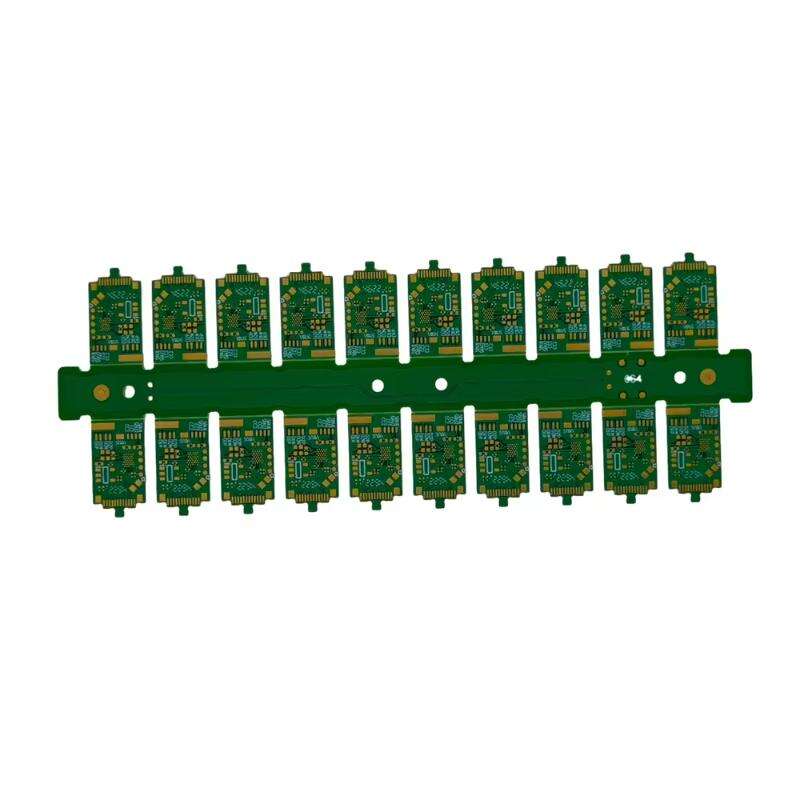
Մեկ այլ լավ խորհուրդ՝ նշակել ձեր միացումները։ Դա ինձ կամ այլ մարդկանց, ովքեր դիտում են սայթը, թե ինչպես է պետք աշխատի SOP-ը, դարձնում է ավելի հեշտ։ Կարող եք օգտագործել տարբեր գույներ և հստակ նշումներ՝ ինքնաբացատրվող մասերը նշելու համար։ Եվ լավ դիզայնի ծրագրի օգտագործումը նույնպես կարող է ձեզ տալ ամեն ինչի իրար հետ ինչպես կհամատեղվի այս տեսքը։ Կան կազմակերպություններ, օրինակ՝ Engine, որոնք առաջարկում են հիասքանչ գործիքներ՝ օգնելու և ուղղորդելու ձեզ մեծ դիզայն ստեղծելու գործում։ Վերջում՝ միշտ կատարեք չափումների փորձարկում տպագրելուց առաջ։ Նույնիսկ կարող եք սկզբում ստեղծել ձեր ՊՊՀ-ի (PCB) պրոտոտիպ կամ փոքր տարբերակը։ Այդ կերպ կարող եք սխալները հայտնաբերել և ուղղել ամբողջական վերջնական արտադրանքը ստեղծելուց առաջ։
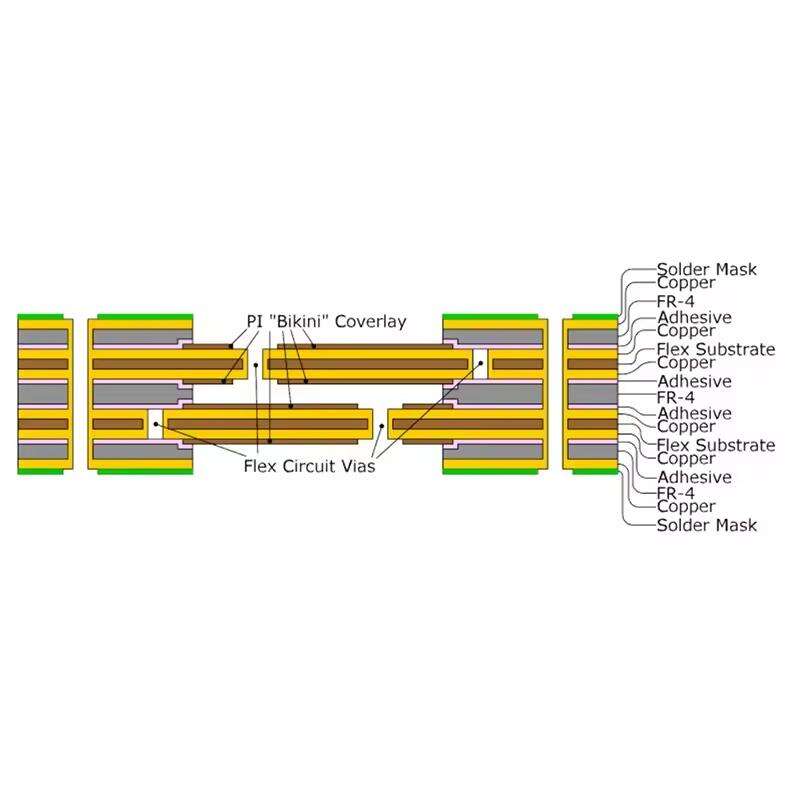
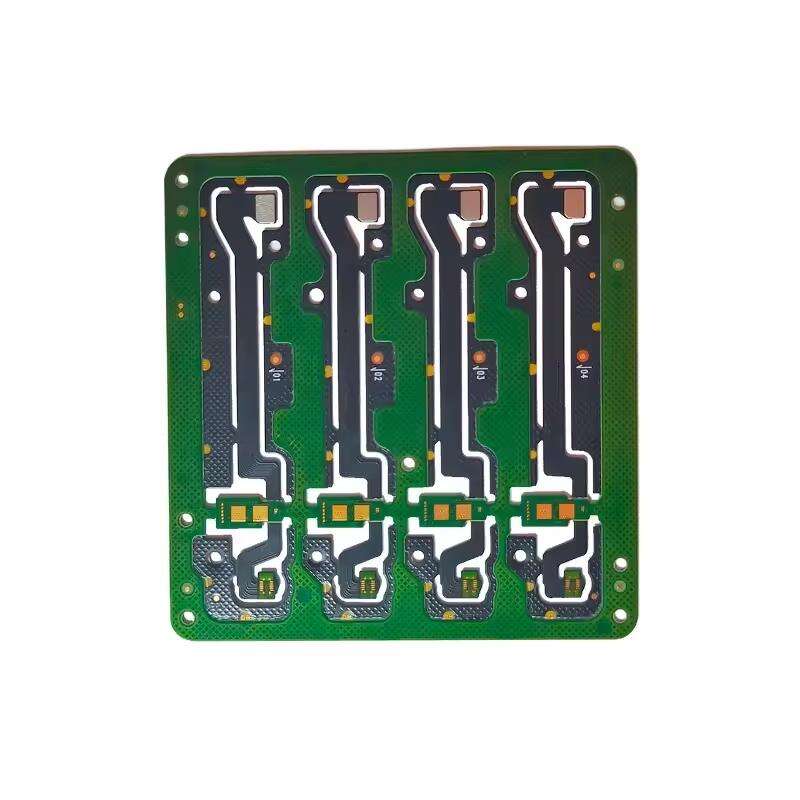
Պատվերով ստեղծված PCB-ների տպումը այն տիպն է, որը միշտ ժամանակի ընթացքում փոփոխություններ կունենա։ Վերջերս ներդրված նորարարություններից են ճկուն PCB-ները . Դա տարբերվում է պինդ սալիկներից, քանի որ ճկուն տպագրված աղյուսակները կարող են ծռվել կամ թեքվել: Սա հիանալի լուծում է փոքր սարքերի համար, ինչպիսիք են սմարթֆոնները կամ կրակելի սարքերը: Ճկուն տպագրված աղյուսակները նաև նշանակում են ավելի բարակ և թեթև արտադրանքներ, որոնք օգտագործելու համար ավելի հարմար են: Մեկ այլ միտում է տպագրված աղյուսակների արտադրության համար 3D տպիչների կիրառումը: Այս մոտեցումը հնարավորություն է տալիս ստանալ ավելի բարդ և նրբագեղ ներքին կառուցվածքներ, որոնք նախկինում հնարավոր չէր ստանալ: Այն նաև արագացնում է գործընթացը՝ հնարավորություն տալով ավելի արագ մշակել նոր արտադրանքներ:
 EN
EN
 FR
FR
 ES
ES
 PT
PT
 AR
AR
 RU
RU
 KO
KO
 JA
JA
 DE
DE
 NL
NL
 VI
VI
 BG
BG
 HR
HR
 CS
CS
 DA
DA
 FI
FI
 EL
EL
 HI
HI
 IT
IT
 NO
NO
 PL
PL
 RO
RO
 SV
SV
 TL
TL
 IW
IW
 ID
ID
 LT
LT
 SR
SR
 SK
SK
 HU
HU
 TH
TH
 TR
TR
 FA
FA
 GA
GA
 CY
CY
 IS
IS
 HY
HY
 LA
LA
 UK
UK