
 En
En
 FR
FR
 ES
ES
 PT
PT
 AR
AR
 RU
RU
 KO
KO
 JA
JA
 DE
DE
 NL
NL
 VI
VI
 BG
BG
 HR
HR
 CS
CS
 DA
DA
 FI
FI
 EL
EL
 HI
HI
 IT
IT
 NO
NO
 PL
PL
 RO
RO
 SV
SV
 TL
TL
 IW
IW
 ID
ID
 LT
LT
 SR
SR
 SK
SK
 HU
HU
 TH
TH
 TR
TR
 FA
FA
 GA
GA
 CY
CY
 IS
IS
 HY
HY
 LA
LA
 UK
UK
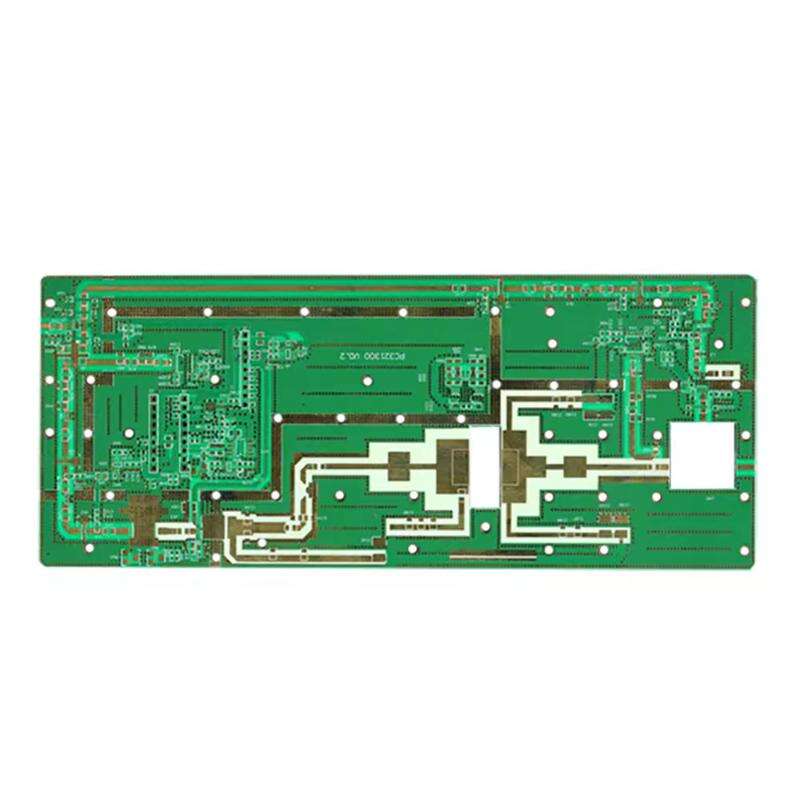
ՏՊՀ-ները շրջապատում են մեզ: Դրանք շատ էլեկտրոնային սարքերի անհրաժեշտ բաղադրիչներ են, ներառյալ սմարթֆոններն ու համակարգիչները, ինչպես նաև կենցաղային տեխնիկան: Մենք տեղավորված չենք ցանկացած ՏՊՀ-ի համար, այլ որոշ հիանալի հատուկ ՏՊՀ-ների, որոնք ապահովում են այս սարքերի ճիշտ աշխատանքը: Բայց ինչպե՞ս են այս ՏՊՀ-ների արտադրողները դրանք ստեղծում: Ահա ձեռնարկը՝ երեք պարզ քայլերով:
Ո՞ր կարևոր գործընթացային քայլերն են ձեռնարկում ՏՊՀ-ների արտադրողները՝ որակյալ տպագրված շղթայական հարթակներ ստեղծելու համար
Printed circuit board-ի (PCB) արտադրման գործընթացը բարդ է և բաղկացած է բազմաթիվ մանրամասն քայլերից։ Նախագծման փուլը առաջին և հսկայական կարևորություն ունեցող քայլն է։ Համակարգչով ինժեներները ստեղծում են սխեմատիկ նախագիծ՝ ներառելով էլեկտրական շղթաների ամբողջական մարտրադաշտը։ Երբ նախագիծը պատրաստ է, այն ենթարկվում է ֆոտոլիտոգրաֆիա կոչված գործընթացի։ Այս գործընթացում ստեղծվում է եզակի թաղանթ, որը թույլատրում է նախագիծը տեղափոխել PCB նյութի վրա։
Այնուհետև արտադրողները տախտակները կտրում են ճիշտ չափսերով՝ օգտագործելով լազերներ կամ այլ կտրող սարքեր։ Տախտակները լվացվում են՝ հեռացնելու կտրման ընթացքում առաջացած փոշին կամ քիմիական նյութերը։ Կարևոր է, որ Մատիտե սխեմատիկ սարք մաքուր լինեն՝ ապագայում խնդիրներ կանխելու համար։
Այնուհետև ավելացվում են շերտեր: Մեկ տպագրված շղթայի վրա կարող է լինել շղթաների բազմաթիվ շերտեր, որոնք միացված են փոքր անցքերով՝ կոչված Vias: Այդ Vias-ները ստեղծում են բազմաթիվ էլեկտրական ճանապարհներ: Երբ շերտերը տեղադրվում են, դրանք փոխադրվում են փոքր բաղադրիչներ, ինչպիսիք են ռեզիստորներն ու կոնդենսատորները՝ օգտագործելով ինտերֆեյսային մեքենաներ: Հետագայում նույն բաղադրիչներին տաքություն է կիրառվում՝ դրանք սահմանադրելու համար տախտակին:
Վերջում, յուրաքանչյուր տպագրված շղթա ստուգվում է: Սա կարող է ստուգվել սխալ միացումների կամ բաղադրիչների առկայության համար: Եթե ամեն ինչ կարգին է, տախտակները փաթեթավորվում և ուղարկվում են հաճախորդներին: Մենք այս գործընթացը շատ դանդաղ ենք իրականացնում Engine-ում և շատ զգույշ ենք լինում: Սա մեզ հնարավորություն է տալիս ստեղծել այնպիսի տախտակներ, որոնց վրա կարող են հիմնվել էլեկտրոնային արտադրողները:
Ի՞նչ են փորձառու տպագրված շղթաների արտադրողների հետ աշխատելու առավելությունները:
Լավագույն PCB արտադրողի ընտրությունը մեծ տարբերություն է կազմում: Engine-ի նման փորձառու արտադրողների հետ համագործակցելու շատ առավելություններ կան: Նրանք գիտեն, թե ինչ են անում: Նրանք շատ փորձ ունեն և կյանքի իրականություններից քաջ սովորել են: Այս օգնությունը կարող է նրանց օգնել խուսափել սխալներից և բարելավել որակը:
Մեկ այլ մեծ առավելություն արդյունավետությունն է: Մասնագետներն ունակ են ավելի արագ աշխատել՝ որակը չնվազեցնելով: Նրանք իրենց համակարգերը բարելավել են, ուստի ավելի արագ են արտադրում PCB-ներ: Սա հատկապես կարևոր է ձեռնարկությունների համար, որոնց ապրանքների համար անհրաժեշտ է արագ ստանալ PCB-ներ:
Բացի այդ, շատ հաստատուն արտադրողներ օգտագործում են վերջին տեխնոլոգիաները: Նրանք ներդնում են նոր սարքավորումներ և ծրագրաշարեր, որոնք նրանց հնարավորություն են տալիս ավելի բարձր որակի արտադրանք ստեղծել: Այս առաջատար տեխնոլոգիաների շնորհիվ PCB-ները ավելի լավ են աշխատում, ավելի երկար են տևում և կարող են կատարել ավելի բարդ խնդիրներ:
Ապա՝ աջակցություն, այն պատճառը, որի համար շարունակում եք աշխատել այնպիսի արտադրողի հետ, ով վստահելի է: Որն էլ որ լինի, այն անցել է գծի մի կողմից մյուսը: (Փորձառու արտադրողները գիտեն, թե ինչպես պետք է ուղղակի խոսել): Եվ եթե հարցեր կամ խնդիրներ են առաջանում, նրանք աջակցում են իրենց հաճախորդներին: Այս հզոր կապը կարող է դառնալ նախագծի հաջողության որոշող գործոն:
Վերջապես, եթե արտադրողները շատ լավ են ծանոթ արդյունաբերությանը, կարող են տալ հիանալի խորհուրդներ: Նրանք օգնություն կստանան իրենց պահանջներին համապատասխան նյութերն ու դիզայնները ընտրելու հարցում՝ ապահովելու համար, որ ամեն ինչ համատեղելի լինի: Engine-ում մենք շատ ենք հանդիսանում հարաբերություններ հաստատելու մեր հաճախորդների հետ՝ նպաստելու նրանց ընդհանուր հաջողությանը: Միասին մենք կարող ենք ստեղծել իսկապես հիանալի բաներ:
Ի՞նչ են այն հաճախ հանդիպող խնդիրները, որոնք առաջանում են շղթայական տախտակներ արտադրելիս՝ օգտագործելով PCB տախտակների արտադրողներին:
Տպագրված հաշվեհամակարգի տախտակների (PCB) արտադրության ընթացքում առաջանում է շատ մարտահարձակումներ, ինչը բացատրում է Engine-ը: Այս խնդիրներից մեկը այն է, թե ինչպես նախագծել տախտակ, որն ունի բավարար տեղ բոլոր էլեկտրական մասերի և սարքերի համար: Եթե նախագիծը սխալ է, սա կարող է հանգեցնել կարճ միացումների կամ թույլ կապերի: Վերջինս խուսափելու համար ինժեներները հիմնավոր նախագծում են իրենց գաղափարները և ստուգում են դրանք արտադրությունը սկսելուց առաջ: Նրանք օգտագործում են հատուկ ծրագրաշար, որը նմանակում է տախտակի աշխատանքը: Սա հնարավորություն է տալիս վաղ փուձարկել սխալները:
Մեկ այլ հարց, որը նույնպես քննարկման առարկա է, վերաբերում է PCB-ների նյութի բաղադրությանը: Նյութերը պետք է բավականաչափ ամուր լինեն՝ էլեկտրոնային մասերի քաշը դիմանալու համար, սակայն թեթև՝ այնպես, որ տախտակը հեշտ լինի կրել, ասում է Բոքսոլը: Արտադրողները զգույշ են ընտրում ճիշտ տեսակի պլաստմասսան ու մետաղը: Եթե նրանք սխալ նյութեր օգտագործեն, տախտակը կարող է կոտրվել կամ վատ աշխատել: Engine-ը միշտ ստուգում է նյութերը՝ արտադրության մտածելուց առաջ: Ստուգումը կարող է ներառել նյութերի ծռման միջոցով նրանց ամրությունը ստուգելը և էլեկտրական հատկությունները ստուգելու համար դրանք հետազոտելը:
Կարևոր խնդիր է նաև ջերմաստիճանը, որը առաջանում է PCB-ների արտադրման ժամանակ: Երբ էլեկտրոնային մասերը աշխատում են, առաջանում է ջերմություն, և չափից ավելի շատ ջերմությունը կարող է այրել տախտակը: Դրան դիմադրելու համար տախտակները ստեղծվում են ջերմասիպակներով կամ օդանցքներով, որոնք թույլ են տալիս ջերմությունը դուրս գալ: Engine-ը վերահսկում է արտադրության ընթացքը՝ համոզվելու համար, որ այս հատկանիշները առկա են: Նրանք նաև չափում են, թե որքան ջերմություն է կարող դիմանալ տախտակը՝ օգտագործման ընթացքում վտանգի ենթարկվելուց առաջ:
Վերջապես, որակի ապահովումը շատ կարևոր է PCB արտադրողների համար: Տախտակների արտադրությունից հետո պետք է հիմնականում ստուգվեն սխալների առկայության համար: Սա կարող է վատ կապեր կամ վատ փոխադրված մասեր լինել: Engine-ի ինժեներները մեծ ջանքեր են գործադրում, որպեսզի բոլոր տախտակները բարձր որակ ունենան: Դա ներառում է փորձարկումներ, որոնք չափում են տախտակի աշխատանքի արդյունավետությունը՝ այն գործարանից դուրս գալուց առաջ: Engine-ը կարող է ստեղծել հուսալի տպագրված սխեմատային տախտակ այս հաճախ հանդիպող խնդիրները լուծելով:
Ինչպե՞ս եք ձեր PCB-ների արդյունավետությունն ու տևականությունը ապահովում:
PCB-ների օպտիմալացումը կարևոր է դրանք ավելի լավ աշխատելու և ավելի երկար տևելու համար: Լավ սկիզբ՝ կենտրոնանալ դիզայնի վրա: Engine-ի ինժեներները օգտագործում են բարդ ծրագրային գործիքներ՝ ավելի արդյունավետ մոդելներ ստեղծելու համար: Դա այն պատճառով է, որ նրանք էլեկտրոնային բաղադրիչները այնպես են նախագծում, որ ավելի մոտ լինեն մեկը մյուսին: Որքան կարճ է այդ հեռավորությունը, այնքան ավելի արագ և համապատասխան են ազդանշանները տեղափոխվում, ինչը կարևոր է հարթ աշխատանքի համար:
Բացի սարքավորումների նախագծումից, նյութերի ճիշտ ընտրությունը կարևոր է PCB-ի օպտիմալացման համար։ Որոշ նյութեր ավելի ջերմադիմադր են, քան մյուսները։ Ջերմությունը չպահպանող նյութերի օգտագործումը արտադրողներին, ինչպիսին օրինակ Engine-ն է, թույլ է տալիս կանխել վնասը, որը կարող է առաջանալ վերաբեռնման հետևանքով։ Այսպիսով՝ տախտակը լավ կաշխատի նույնիսկ ծայրահեղ պայմաններում։ Նրանք էլեկտրական ուղիների համար ընտրում են ավելի հաստ պղինձ՝ ավելացնելու հզորության հոսքը և խուսափելու հզորության կորստից։
Չափսը մեկ այլ կարևոր գործոն է օպտիմալացման համար։ Օրինակ, ավելի փոքր չափի տախտակները կարող են օգտակար լինել, քանի որ տեղ են խնայում։ Սակայն, եթե չափը շատ փոքր է, դա կարող է հանգեցնել մասերի խիտ տեղադրման, ինչը կարող է ստեղծել կարճ միացման վտանգ։ Էնջինը ճիշտ հավասարակշռություն է ստեղծում՝ մասերի միջև բավարար տեղ թողնելով։ Դրա համար նրանք ընդհանուր առմամբ կիրառում են տեղի յուրաքանչյուր դյույմն առավելագույնի հասցնող ստեղծագործական դասավորության մեթոդներ՝ անվտանգության և օգտագործման գործոնները զոհաբերելու առանց:
Վերջապես, շարժիչի մուտքային տվյալների օպտիմալացման մեծ մասը կատարվում է փորձարկումների և հեղափոխությունների միջոցով: Նրանք կատարում են տարբեր փորձարկումներ՝ գնահատելու դրանց աշխատանքի արդյունավետությունը: ՈՒսումնասիրվում են ցանկացած թույլ կետեր կամ տեղեր, որտեղ կարող է խափանվել տախտակի աշխատանքը: Չկա երաշխիք, որ այն հաջող կլինի, սակայն նրանք կարող են օգտագործել արդյունքները՝ հաջորդ շարքի համար կարգավորումներ կատարելու համար: Շարունակական հետադարձ կապը նրանց հնարավորություն է տալիս կատարելագործել իրենց դիզայնն ու նյութերը, որպեսզի ապագայում ավելի լավ աշխատեն: Այս ոլորտներում կենտրոնանալով՝ Engine-ը մատակարարում է տպագրված շղթայական տախտակներ, որոնք բարձր արդյունավետություն ունեն և նույնիսկ ամենօրյա օգտագործման համար հուսալի են:
Ո՞ր նորարարական մեթոդներ են օգտագործում տպագրված շղթայական տախտակների արտադրողները՝ արտադրության արագությունը մեծացնելու համար
printed sхемաների պատրաստողները միշտ փնտրում են ավելի արագ և խելացի աշխատելու միջոցներ: Engine-ում նրանք օգտագործում են տարբեր առաջադեմ տեխնոլոգիաներ՝ արտադրության արդյունավետությունը բարձրացնելու համար: Ավտոմատացումը այդ տեխնոլոգիաներից մեկն է: Ավտոմատացումը մեխանիկական միջոցներով մեքենաների միջոցով միաձուլման կամ անցքեր փորելու պես միաձուլ գործառույթներ կատարելու միջոց է: Դա նշանակում է, որ աշխատողները կարող են ավելի շատ ժամանակ ծախսել այն անելու վրա, ինչ ամենալավս են անում մարդիկ, այլ ոչ թե միաձուլ աշխատանքների հետ զբաղվելու վրա: Ավտոմատացումը նաև նվազեցնում է սխալների քանակը, որոնք հակ tendency են առաջանալու, երբ մարդիկ հոգնած կամ շփոթված են:
Մեկ այլ լրացուցիչ տեխնոլոգիա 3D տպագրությունն է, որն ավելի մեծ ճանաչում է ձեռք բերում տպագրված սխեմաների արտադրության մեջ: Վատագույն ձևով հին ձևով մեկ շերտ ավելացնելով՝ շերտ առ շերտ, 3D տպագրությունը թույլ է տալիս արագ ստեղծել նմուշներ: 3D տպագրությունը օգնում է Engine-ին փորձարկել նոր դիզայններ: Սա նրանց հնարավորություն է տալիս գնահատելու, թե ինչպես է դիզայնը աշխատում իրական աշխարհում, մինչև շատ շատ հատ պատրաստելը շրջակայքագիր . Այսինքն՝ խնայում է ժամանակ և գումար՝ ավանդական գործիքների և մասերի համար սպասելու անհրաժեշտությունից հրաժարվելով:
Բարդ ծրագրային ապահովումը նաև փոխում է տպագրված շղթաների ստեղծման ձևը։ Engine-ը կիրառում է ծրագրային ապահովում, որը կարող է կանխօրոք որոշել, թե որ սարքերն են հավանաբար ձախողվելու կամ պահանջելու սպասարկում։ Սա կոչվում է կանխատեսող սպասարկում։ Այս ծրագրային ապահովման շնորհիվ նրանք կարող են նույնականացնել խնդրի աղբյուրը և լուծել այն այն միջադեպից հետո, երբ դա խաթարում է նրանց գործողությունները։ Սա ապահովում է, որ արտադրական գործընթացը շարունակվի հարթ ընթացքով և նրանք պահպանեն ժամանակացույցում նշված ժամկետները։
Վերջապես, տվյալների անալիտիկան նույնպես օգնում է արտադրության արդյունավետության մեջ։ Արտադրական գործընթացից ստացված տվյալները վերլուծելով՝ Engine-ը կարող է հասկանալ, թե որտեղ կարող է բարելավվել։ Օրինակ, նրանք կարող են հայտնաբերել, թե որ մասերն են ավելի երկար ժամանակ պահանջում արտադրելու համար կամ որ նյութերն են հակ tendency ունենալ ուշացումների պատճառ դառնալու։ Այս տեղեկություններով զինված՝ նրանք կարող են կատարել փոփոխություններ համակարգում՝ գործընթացը պարզեցնելու համար։ Բոլոր այս առաջադեմ տեխնոլոգիաները գործիքներ են, որոնք օգնում են Engine-ին ավելի արագ և արդյունավետ ստեղծել տպագրված շղթաներ՝ պահպանելով բարձր որակ իրենց հաճախորդների համար։
Բովանդակության աղյուսակ
- Ո՞ր կարևոր գործընթացային քայլերն են ձեռնարկում ՏՊՀ-ների արտադրողները՝ որակյալ տպագրված շղթայական հարթակներ ստեղծելու համար
- Ի՞նչ են փորձառու տպագրված շղթաների արտադրողների հետ աշխատելու առավելությունները:
- Ի՞նչ են այն հաճախ հանդիպող խնդիրները, որոնք առաջանում են շղթայական տախտակներ արտադրելիս՝ օգտագործելով PCB տախտակների արտադրողներին:
- Ինչպե՞ս եք ձեր PCB-ների արդյունավետությունն ու տևականությունը ապահովում:
- Ո՞ր նորարարական մեթոդներ են օգտագործում տպագրված շղթայական տախտակների արտադրողները՝ արտադրության արագությունը մեծացնելու համար