
Creating flexible printed circuit boards, or flex PCBs is important for many electronic gadgets these days. These boards are flexible and may be bent, which is what sets them apart from your usual rigid PCB. This is useful in modern electronics, where components must be packed into tight spaces and odd shapes. High-quality Companies like Engine who are specialized in manufacturing flex PCBs will be able to accommodate your need. Whether you are making boards for small devices like smartwatches or big systems inside cars, learning how to design them is a critical skill for anyone in this field.
If you are seeking a quality flex PCB design, there are a few key factors to consider. First, the materials that you are working with are really important. They must be flexible but unbreakable if bent. Polyimide or polyester film materials would be a common choice because it can withstand heat and has good electrical properties. Another factor is layer count. A flex PCB may include more than one layer, therefore it can support may complex designs. More layers may provide better functionality for your product, but they can also increase the cost, so it is important to strike a balance.
The flex PCB design is proving to be a favorite among a lot of electronics manufacturers, including us here at Engine. Flexibility is one reason this approach has become so popular. They are flexible and twistable unlike rigid PCBs. This matters because a lot of the devices we use today, from smartphones to wearable tech, need to squeeze into small — sometimes curved — spaces. Flex PCBs are easily molded to fit in these spaces, which saves room and gives way for more creative designs.
Yet another reason that a lot of companies find flex PCB design so appealing has to do with how light these boards are. They’re generally constructed from thin materials, which makes them lighter in weight than their rigid board counterparts. The lighter the better for people carrying around devices, and lightness is useful in making gadgets that must be portable, like tablets or sports watches. Here at Engine, we know that with a new gadget one of the big things customers ask for is weight. Additionally, our expertise in PCB Design & OEM ensures that we can help clients create lightweight and efficient designs.
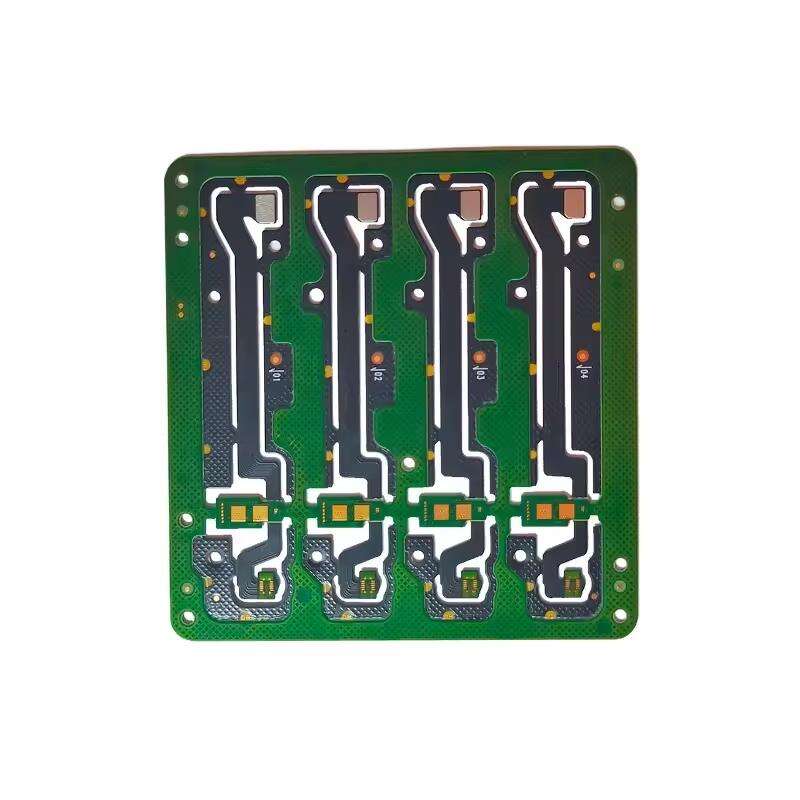
When wholesale buyers need flex PCBs, you cannot make some mistakes in the design as it could be counterproductive. One most common mistakes is not accounting for the flexibilities of the PCB. “Some people think any design will do,” but that’s not the case, she said. How and where the board will bend It’s all about how, and where. If the design couldn’t accommodate proper bending, the board might just break and not work. We always ensure that our designs take into account how the flex PCBs are going to move at Engine.
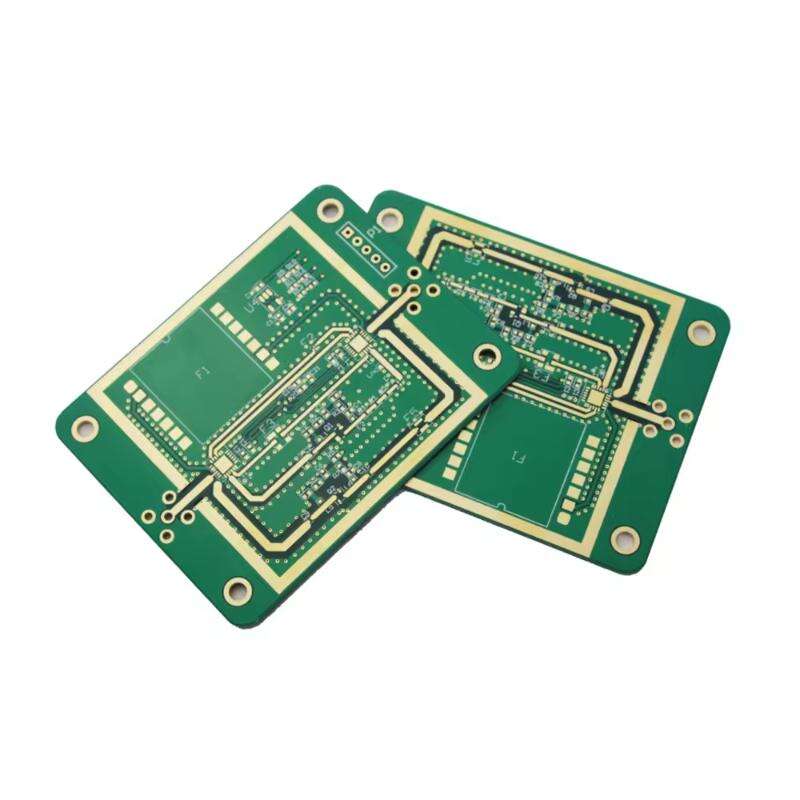
Another common error is failure to consider the kind of materials employed while designing flex PCB. Some folks opt for cheaper materials without knowing how they might affect their performance. Although saving money is crucial, cutting corners with materials can cause problems later on — a short or breakdown, for example. A good material ensures that flex PCBs are rugged and can do the job for which they were made. Here at Engine our staff always strives to produce products with high quality materials guaranteed!
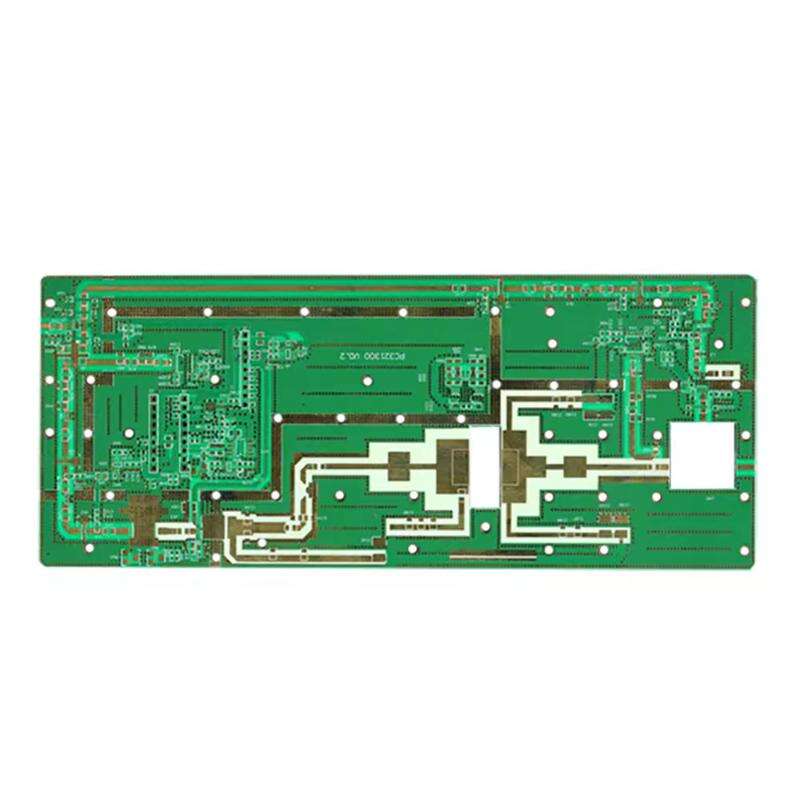
Flex PCB design is not only sexy and flexible, but it also can help businesses save money and work more efficiently. First, because flex PCBs can be placed in your physical products much easier and compactly than traditional PCBs, companies don’t have to purchase extra materials to fabricate their products. It means less waste and lower cost in total. Given Engine’s experience, we’ve seen time and again how simply choosing the right design saves our clients money in the long haul. For instance, through our PCB Assembly services, we help clients manage their production more efficiently.
 EN
EN
 FR
FR
 ES
ES
 PT
PT
 AR
AR
 RU
RU
 KO
KO
 JA
JA
 DE
DE
 NL
NL
 VI
VI
 BG
BG
 HR
HR
 CS
CS
 DA
DA
 FI
FI
 EL
EL
 HI
HI
 IT
IT
 NO
NO
 PL
PL
 RO
RO
 SV
SV
 TL
TL
 IW
IW
 ID
ID
 LT
LT
 SR
SR
 SK
SK
 HU
HU
 TH
TH
 TR
TR
 FA
FA
 GA
GA
 CY
CY
 IS
IS
 HY
HY
 LA
LA
 UK
UK