
 EN
 FR
 ES
 PT
 AR
 RU
 KO
 JA
 DE
 NL
 VI
 BG
 HR
 CS
 DA
 FI
 EL
 HI
 IT
 NO
 PL
 RO
 SV
 TL
 IW
 ID
 LT
 SR
 SK
 HU
 TH
 TR
 FA
 GA
 CY
 IS
 HY
 LA
 UK
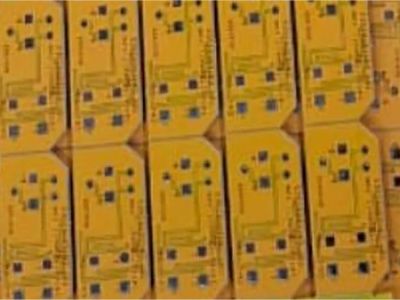
Printed Circuit Boards (PCBs) are essential components in modern electronic devices, serving as the backbone that connects various electronic parts. Understanding PCBs—specifically their structure, layers, and terminology—can empower B2B buyers, such as purchasing managers and engineers, to make informed decisions. This guide will delve into the intricacies of control pcb, address common concerns related to sourcing high-precision PCBs, outline prevalent issues and their solutions, explore diverse applications across industries, and provide guidance on selecting the right manufacturing partner.
Understanding Printed Circuit Board Structure and Its Layers
A printed circuit board is a flat board made from insulating material, typically fiberglass, on which conductive pathways are etched or printed. Understanding its structure is crucial for evaluating its performance and suitability for specific applications.
Layers
Most PCBs consist of several layers:
Substrate Layer: This is the base material, usually made from epoxy resin, which provides mechanical support and insulation.
Conductive Layer: Copper is commonly used for the conductive pathways that connect different components. These pathways can be single-sided, double-sided, or multi-layered, depending on the complexity of the circuit.
Solder Mask: This layer protects the copper traces from oxidation and prevents solder bridges from forming during assembly.
Silkscreen Layer: Often used for labeling components and indicating circuit designations, this layer is printed on top of the solder mask.
Understanding these layers helps buyers assess the PCB's intended use, durability, and performance under various conditions, such as high-frequency applications or thermal management.
Where to Source High-Precision PCBs for Bulk Orders
Sourcing high-precision PCBs requires a keen understanding of both the manufacturing process and the specific needs of your project. Suzhou Engine Electronic Technology Co., Ltd. specializes in producing a range of PCB types, including flexible PCBs (FPCBs), rigid-flex boards, and high-density interconnect (HDI) boards.
When looking to source PCBs for bulk orders, consider the following:
Manufacturing Capabilities: Ensure the supplier can produce the specific types of PCBs you require, such as ceramic-based or metal-based boards for high-frequency applications.
Customization Options: Look for suppliers that offer customization in terms of design, material, and dimensions to meet your unique project specifications.
Quality Certifications: Verify that the manufacturer holds relevant industry certifications, which can indicate adherence to quality standards.
Lead Times: Understand the production timelines for bulk orders, as this can influence your project schedule.
By clarifying these factors before placing an order, buyers can prevent delays and ensure they receive the correct specifications.
Common PCB Problems and Effective Solutions for Buyers
Even with the best planning, issues can arise during PCB production and assembly. Here are some common problems and their effective solutions:
Delamination: This occurs when layers of the PCB separate due to heat or moisture. To mitigate this, ensure that the manufacturer uses high-quality laminates and follows strict quality control processes.
Solder Bridges: These unintended connections can create short circuits. Implementing a thorough inspection process, such as automated optical inspection (AOI), can help identify and rectify these issues before the boards are shipped.
Poor Component Placement: Misalignment during assembly can lead to functionality problems. Buyers should confirm that the manufacturer uses precise placement technology and conducts rigorous testing.
Insufficient Testing: Many defects can go unnoticed without adequate testing. Buyers should request a comprehensive testing protocol, including in-circuit tests (ICT) and functional tests, to ensure the boards meet performance standards.
Understanding these common issues and their solutions can save time and reduce costs associated with rework and defective products.
Applications of Printed Circuit Boards Across Various Industries
PCBs are versatile components utilized across multiple industries, each with its specific requirements. Here are a few key applications:
Consumer Electronics: From smartphones to laptops, PCBs are essential in ensuring the functionality of various consumer devices.
Automotive: In the automotive sector, PCBs are used in everything from engine management systems to infotainment systems, necessitating high reliability and performance under extreme conditions.
Medical Devices: For medical applications, PCBs must comply with stringent regulations and standards, ensuring safety and reliability in life-saving devices.
Telecommunications: High-speed PCBs are critical in telecommunications for efficient signal transmission and connectivity.
Understanding the specific requirements of each industry can help buyers select the right PCB type, ensuring optimal performance in their applications.
What to Look for in PCB Manufacturing Partners
Choosing the right PCB manufacturing partner is crucial for ensuring quality and performance. Here are key factors to consider:
Experience and Expertise: Look for manufacturers with a proven track record in producing the specific type of PCBs needed for your application. A partner like Suzhou Engine Electronic Technology Co., Ltd., known for high-precision manufacturing, can provide valuable insights and guidance.
Quality Control Processes: It’s essential to understand the quality assurance measures in place, from material selection to final inspections. A robust quality management system can significantly reduce the risk of defects.
Customization Capabilities: Your project may have specific requirements that necessitate custom solutions. Ensure your partner can accommodate these needs, whether through design, material selection, or production techniques.
Communication and Support: A responsive manufacturing partner can help address issues quickly, providing peace of mind during the production process. Clear channels of communication can facilitate smoother collaboration.
By carefully evaluating these aspects, buyers can establish a productive relationship with their PCB supplier, ultimately leading to better project outcomes.
In summary, understanding printed circuit board pcba—their structure, potential issues, and applications—enables B2B buyers to make informed decisions when sourcing these critical components. By focusing on quality, customization, and effective communication with manufacturing partners, companies can ensure successful project execution and product reliability.