
 EN
 FR
 ES
 PT
 AR
 RU
 KO
 JA
 DE
 NL
 VI
 BG
 HR
 CS
 DA
 FI
 EL
 HI
 IT
 NO
 PL
 RO
 SV
 TL
 IW
 ID
 LT
 SR
 SK
 HU
 TH
 TR
 FA
 GA
 CY
 IS
 HY
 LA
 UK
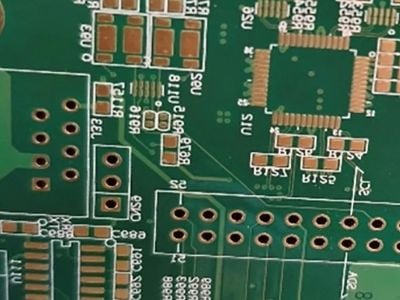
Understanding the distinctions between PCB and PCBA is crucial for any business involved in electronics manufacturing. As a B2B buyer, you may need to choose between a printed circuit board (PCB) and a printed circuit board assembly (PCBA) based on your project requirements. This article will clarify the differences, helping you make informed decisions regarding specifications, bulk orders, best practices, and common issues associated with these components.
Understanding the Key Differences Between PCB and PCBA
The primary difference between pcb board fabrication lies in their composition and functionality. A PCB is a bare board that serves as a base for electronic components. It is made of insulating material with conductive pathways etched onto its surface, allowing for electrical connections between various components. On the other hand, a PCBA includes not only the PCB but also the electronic components that are soldered onto it, like resistors, capacitors, and microcontrollers.
From a manufacturing perspective, PCBs are the starting point in the assembly process. They are often produced in various types such as rigid, flexible, or rigid-flex, depending on application needs. PCBA involves additional processes such as component placement, soldering, and inspection, which adds complexity and requires quality control measures to ensure functionality and reliability. Understanding these differences is essential for specifying the right product for your application.
Which Meets Your Specification Needs?
Choosing between a PCB and a PCBA depends on your project's specific requirements. If you're sourcing components for prototyping or testing, a PCB may suffice. However, if your project demands a ready-to-use electronic circuit, a PCBA is necessary.
Consider the following specifications when making your decision:
Material Composition: PCBs can be made from various materials like FR-4, polyimide, or ceramic, each affecting thermal and electrical performance. PCBA requires careful selection of components that match the PCB's material properties to ensure compatibility.
Layer Count: Multi-layer PCBs can support complex circuits, while simpler applications may only require single-layer designs. For PCBAs, the layer count will affect the assembly process and component layout.
Surface Finish: Depending on the end-use, you may need a specific surface finish on your PCB, such as ENIG (Electroless Nickel Immersion Gold) for better solderability. For PCBA, the finish influences the reliability of component solder joints.
Customization: Determine whether you need custom designs for either PCBs or PCBAs. Customization might involve unique layouts or specific component placements that directly impact manufacturing processes.
By aligning the specifications with your application needs, you can select the most suitable option.
PCB vs. PCBA for Bulk Orders
When it comes to bulk orders, there are several considerations to keep in mind. For PCB orders, the minimum order quantities (MOQs) can vary significantly based on manufacturing complexity and material costs. In contrast, PCBAs typically involve higher MOQs due to the additional labor and component sourcing required.
For bulk orders, consider the following factors:
Lead Time: PCB manufacturing usually has a shorter lead time compared to PCB assembly. If you require quick turnaround times, confirm the lead times with your supplier for both PCBs and PCBAs, as this can affect your production schedule.
Cost Efficiency: While PCB prices can be lower due to fewer processing steps, PCBAs may offer better long-term value by combining components and reducing assembly time. When assessing costs, factor in total production costs, including labor, materials, and potential rework.
Quality Control: Bulk orders should include strict quality control processes to ensure that both PCBs and PCBAs meet specified tolerances and performance standards. A reputable manufacturer should provide detailed inspection reports to verify compliance with industry standards.
Understanding these dynamics can help you negotiate better terms and ensure that your bulk orders meet your project timelines and budgets.
Best Practices for PCB and PCBA Use
To maximize the effectiveness of your PCBs and PCBAs, consider the following best practices:
Pre-production Samples: Always request pre-production samples to assess the fit and functionality of the PCB or PCBA before committing to full-scale manufacturing. This step can help identify any discrepancies in component placement or electrical performance.
Design for Manufacturability (DFM): Engage with your manufacturer early in the design process to ensure that the designs are optimized for efficient manufacturing. This collaboration can reduce potential production issues and rework.
Documentation: Provide thorough documentation, including Gerber files, assembly drawings, and specifications. Clear documentation minimizes misunderstandings and streamlines the manufacturing process.
Regular Communication: Maintain open lines of communication with your supplier throughout the production process. This ensures that any issues are promptly addressed and that the final products meet your expectations.
Implementing these best practices can lead to improved product quality and reduced manufacturing costs.
Common Problems with PCBs and PCBAs and Their Solutions
Despite advancements in manufacturing, certain issues can arise with pcb connection. Here are common problems and their solutions:
Solder Joint Failures: Insufficient soldering can lead to unreliable connections. Ensure proper soldering techniques are employed, and consider using automated soldering processes to enhance consistency.
Component Misalignment: Components may be misaligned during assembly, leading to functionality issues. Use automated pick-and-place machines for precise component placement and conduct regular inspections.
Thermal Management Issues: Excess heat can damage components, especially in high-frequency applications. Design PCBs with adequate heat dissipation features such as thermal vias and heat sinks, and ensure your PCBA is tested under expected operating conditions.
Material Compatibility: Incompatibility between PCB materials and component specifications can lead to performance issues. Always verify that the materials selected for the PCB can handle the thermal and electrical demands of the components used in the PCBA.
By proactively identifying these problems and implementing recommended solutions, you can enhance the reliability and performance of your electronic products.
With a clear understanding of PCB vs. PCBA differences and their respective applications, you can make informed decisions that align with your manufacturing needs. Whether you require a basic PCB or a fully assembled PCBA, understanding these components will facilitate better project outcomes.