
 EN
 FR
 ES
 PT
 AR
 RU
 KO
 JA
 DE
 NL
 VI
 BG
 HR
 CS
 DA
 FI
 EL
 HI
 IT
 NO
 PL
 RO
 SV
 TL
 IW
 ID
 LT
 SR
 SK
 HU
 TH
 TR
 FA
 GA
 CY
 IS
 HY
 LA
 UK
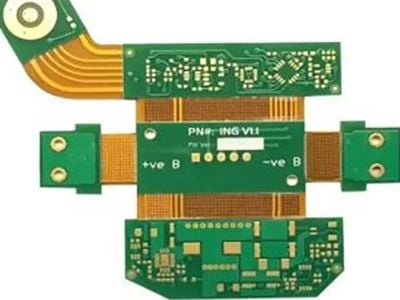
Understanding how to read a PCB schematic is essential for engineers involved in electronics design and manufacturing. This step-by-step guide will help you navigate the complexities of PCB schematics, addressing the main concerns of purchasing managers and engineers alike, such as material selection, application suitability, and quality assurance. With this article, you will gain practical insights into evaluating PCB schematics effectively, ensuring that your projects meet the necessary specifications and standards.
How to Choose the Right PCB Schematic for Your Project Needs
Selecting the appropriate control pcb begins with understanding the specific requirements of your project. Consider the following factors:
Application:Determine the intended use of the PCB. For instance, high-frequency applications may require specific designs to minimize signal loss, while rugged industrial applications might need robust layouts to withstand harsh environments.
Material Selection:The choice of materials, such as FR-4, polyimide, or ceramic, impacts the board's performance. Assess the thermal and electrical properties needed for your application. For example, high-frequency boards may benefit from low-loss materials, while thicker copper layers might be necessary for power distribution.
Complexity and Size:Evaluate the complexity of the circuit and the physical dimensions of the PCB. More intricate designs may require advanced fabrication techniques, such as HDI (High-Density Interconnector) technology, which can support smaller components and tighter tolerances.
Regulatory Compliance:Ensure that the schematic meets any industry-specific regulations or standards, such as IPC standards for PCB manufacturing. This is especially crucial in industries like automotive or medical.
By carefully considering these factors, you can select a pcb board fabrication that aligns with your project needs, ultimately leading to a successful design and manufacturing process.
Essential PCB Schematic Specifications for Quality Assurance
Quality assurance in PCB manufacturing hinges on specific schematic specifications. Key specifications to consider include:
Layer Count:The number of layers in a PCB affects its complexity and cost. Multi-layer boards can accommodate more intricate circuits, but they also require more precise manufacturing processes.
Trace Width and Spacing:Trace width impacts current-carrying capacity, while spacing affects the risk of short circuits. Ensure that these dimensions comply with IPC standards to maintain reliability.
Via Types and Sizes:Different via types (blind, buried, through-hole) serve various purposes. The size of the vias should be suitable for the components being used and the overall design.
Aspect Ratio:The aspect ratio of holes and vias can affect manufacturability. A high aspect ratio may complicate the plating process, leading to potential quality issues.
Surface Finish:The choice of surface finish (e. g., ENIG, HASL) influences solderability and corrosion resistance. Selecting the right finish is critical for ensuring long-term reliability.
By ensuring that these specifications are met, you can maintain high-quality standards in your PCB production, minimizing the risk of defects and failures.
Where to Find Reliable PCB Suppliers for Bulk Orders
Finding a reliable PCB supplier for bulk orders is crucial for ensuring consistent quality and timely delivery. Here are some tips to identify trustworthy suppliers:
Industry Experience:Look for suppliers with a proven track record in PCB manufacturing. Companies like Suzhou Engine Electronic Technology Co., Ltd., with extensive experience in producing high-precision PCBs, are often more reliable.
Certifications:Verify that the supplier holds relevant industry certifications, such as ISO 9001 or IPC certifications. These certifications indicate that the supplier adheres to recognized quality management practices.
Manufacturing Capabilities:Assess the supplier's manufacturing capabilities, including their ability to handle various materials and complex designs. A supplier with advanced equipment and technology can better meet your specific requirements.
Customer Reviews:Check customer testimonials and case studies to gauge the supplier's reliability and quality. Positive feedback from previous clients can provide valuable insights.
Samples and Prototypes:Request samples or prototypes before placing a bulk order. This allows you to evaluate the supplier’s quality and capability to meet your specifications.
By following these guidelines, you can identify a trustworthy PCB supplier who can meet your bulk order needs efficiently.
Understanding PCB Quality Control Measures for Wholesale Buyers
Quality control is paramount in PCB manufacturing, particularly for wholesale buyers. Key quality control measures include:
Incoming Material Inspection:Ensure that all materials are inspected upon arrival to verify compliance with specifications. This step is crucial for preventing defects later in the production process.
In-Process Inspection:Regular inspections during the manufacturing process can catch issues early. Implementing checkpoints at critical stages can help maintain production quality.
Final Testing:Conduct thorough testing of finished PCBs, including electrical testing and visual inspection. This ensures that all boards meet performance standards before shipping.
Documentation:Maintain detailed records of quality control processes and inspection results. This documentation is vital for traceability and can help resolve any disputes that may arise.
Feedback Loops:Establish a system for collecting feedback from customers regarding the quality of PCBs delivered. This information can inform future quality control improvements.
By understanding and implementing these quality control measures, wholesale buyers can ensure they receive high-quality PCBs that meet their specific requirements.
Cost Factors to Consider When Sourcing PCBs for Manufacturing
When sourcing PCBs for manufacturing, various cost factors should be taken into account:
Material Costs:The type of materials selected significantly affects the overall cost. For instance, specialized materials for high-frequency applications may be more expensive than standard FR-4.
Manufacturing Complexity:Complex designs requiring advanced fabrication techniques will incur higher production costs. It's essential to balance design complexity with budget constraints.
Volume Discounts:Ordering in bulk can often lead to significant savings. Discuss volume pricing with suppliers to understand potential discounts for larger orders.
Lead Times:Shorter lead times may come with increased costs. Evaluate your project timeline and balance the need for speed with budget considerations.
Quality Assurance Costs:Investing in quality assurance measures may increase initial costs but can save money in the long run by reducing defects and rework.
By considering these cost factors, you can make informed decisions when sourcing PCBs, ensuring you achieve the best value for your manufacturing needs.
Table of Contents
- How to Choose the Right PCB Schematic for Your Project Needs
- Essential PCB Schematic Specifications for Quality Assurance
- Where to Find Reliable PCB Suppliers for Bulk Orders
- Understanding PCB Quality Control Measures for Wholesale Buyers
- Cost Factors to Consider When Sourcing PCBs for Manufacturing