
 EN
 FR
 ES
 PT
 AR
 RU
 KO
 JA
 DE
 NL
 VI
 BG
 HR
 CS
 DA
 FI
 EL
 HI
 IT
 NO
 PL
 RO
 SV
 TL
 IW
 ID
 LT
 SR
 SK
 HU
 TH
 TR
 FA
 GA
 CY
 IS
 HY
 LA
 UK
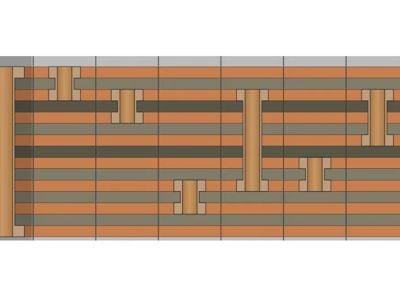
Choosing the right PCB surface finish is crucial for ensuring the performance and longevity of your printed circuit boards (PCBs). With options like HASL, ENIG, OSP, and Immersion Silver, understanding the differences and applications can be daunting for purchasing managers and engineers. This article aims to clarify the various PCB surface finishes, helping you make an informed decision based on your project needs, specifications, and budget considerations.
How to Choose the Right PCB Surface Finish for Your Project Needs
Selecting the appropriate PCB surface finish involves evaluating several factors, such as the intended application, environmental conditions, and assembly processes. Each finish offers distinct advantages and drawbacks:
HASL (Hot Air Solder Leveling): This traditional finish is cost-effective and provides good solderability. However, it can introduce lead content, making it less suitable for ROHS-compliant applications.
ENIG (Electroless Nickel Immersion Gold): This finish offers excellent surface flatness and is ideal for fine-pitch components. It's suitable for high-reliability applications but comes at a higher cost.
OSP (Organic Solderability Preservative): OSP is environmentally friendly and cost-effective for boards that will undergo wave soldering. However, it has a shorter shelf life compared to other finishes.
Immersion Silver: This finish provides good solderability and is suitable for high-frequency applications. However, care must be taken to prevent tarnishing.
Identify your project's specific needs, such as whether you require a finish that meets stringent industry standards or whether cost is a primary concern. Engage with your PCB manufacturer to discuss how these factors can influence your choice.
Essential Specifications for PCB Surface Finishes in Manufacturing
When evaluating pcb circuit board surface finishes, several specifications are essential to ensure compatibility with your production and application requirements:
Thickness: The thickness of the finish can affect solder joint reliability. Thicker finishes, like ENIG, may be required for high-frequency applications where signal integrity is critical.
Flatness: A flat surface finish is crucial for components that require precise alignment during the assembly process. ENIG typically offers superior flatness compared to HASL.
Solderability: This specification refers to how well the surface will accept solder. Different finishes have varying solderability characteristics, which can impact the assembly process.
Environmental Resistance: Consider how the finish will perform in specific environments. For example, immersion silver may be less resistant to corrosion compared to ENIG.
Discuss these specifications with your PCB manufacturer to ensure that the selected finish aligns with your product's operational and environmental requirements.
Cost Considerations for Selecting PCB Surface Finishes Wholesale
Cost is a significant factor when choosing a PCB surface finish. While budget constraints are common, understanding the trade-offs between cost and performance is crucial:
Material Costs: Different finishes incur varying material costs. For instance, HASL is generally the cheapest option, while ENIG is more expensive due to the materials and processes involved.
Processing Costs: The complexity of the surface finish can also affect manufacturing costs. More intricate processes, such as ENIG, may lead to longer lead times and higher production costs.
Long-term Performance: Cheaper finishes may result in lower initial costs but could lead to reliability issues down the line. Assessing the expected lifespan and performance of the PCB in its application can help justify higher costs for more reliable finishes.
Engage with your supplier to obtain quotes for different finishes and consider the total cost of ownership, which includes potential failures and rework during the PCB lifecycle.
A Buyer’s Guide
When preparing to select a PCB surface finish, consider the following actionable steps to streamline your purchasing process:
Define Requirements: Clearly outline your project specifications, including the application environment, required performance metrics, and budget constraints.
Request Quotes: Contact multiple PCB manufacturers to gather pricing and lead time information for different surface finishes. Include detailed project specifications in your RFQ (Request for Quotation).
Evaluate Samples: Before placing a large order, request samples of the selected finishes to conduct solderability tests and ensure compatibility with your assembly process.
Discuss Customization: Many manufacturers offer customization options for surface finishes. Inquire about tailored solutions that can meet unique project requirements.
Verify Compliance: Ensure that the chosen finish complies with industry standards relevant to your application, such as ROHS or IPC guidelines.
By following these steps, you can make a more informed decision and establish a strong working relationship with your PCB supplier.
Common Problems with PCB Surface Finishes and Their Solutions
Understanding common issues related to PCB surface finishes can help mitigate risks during production:
Oxidation: Some finishes, particularly immersion silver, can tarnish if not properly stored. To prevent this, ensure that boards are packaged in anti-tarnish materials and stored in a controlled environment.
Solderability Issues: If a PCB exhibits poor solderability, it may be due to insufficient surface preparation or an unsuitable finish. Conduct thorough pre-production quality checks if issues persist.
Flatness Variations: Inconsistent surface flatness can lead to assembly challenges, particularly with fine-pitch components. Work closely with your manufacturer to ensure the selected finish meets the specified flatness requirements.
Environmental Durability: Some surface finishes may not withstand harsh environmental conditions. If your application requires durability, consult with your manufacturer about suitable finishes and protective coatings.
By proactively addressing these issues, you can enhance the reliability and performance of your PCBs in their intended applications.
In summary, selecting the righ pcb board design online surface finish requires a comprehensive understanding of your project's needs, specifications, and budget considerations. Engaging in open dialogue with your manufacturer and being aware of common challenges can significantly improve your purchasing process and ensure a successful outcome for your electronics projects.