
 EN
 FR
 ES
 PT
 AR
 RU
 KO
 JA
 DE
 NL
 VI
 BG
 HR
 CS
 DA
 FI
 EL
 HI
 IT
 NO
 PL
 RO
 SV
 TL
 IW
 ID
 LT
 SR
 SK
 HU
 TH
 TR
 FA
 GA
 CY
 IS
 HY
 LA
 UK
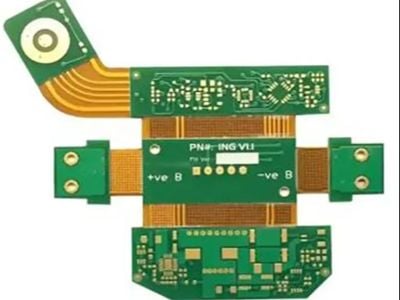
Rigid-flex PCBs, combining the benefits of both rigid and flexible circuits, are increasingly popular in various industries for their efficiency and versatility. However, their manufacturing presents unique design challenges that can impact functionality and cost. This article will address critical considerations for B2B buyers, including what to look for in suppliers, installation best practices, cost factors, solutions to common manufacturing issues, and strategies for optimizing design for cost-effectiveness.
What to Consider When Choosing Rigid-Flex PCB Suppliers
Selecting the right supplier for rigid-flex PCB manufacturing involves evaluating several key factors. Buyers should prioritize suppliers with proven expertise in high-precision manufacturing, particularly those specializing in flexible rigid pcb designs. Look for manufacturers that offer comprehensive design services, as this can streamline the development process.
Additionally, assess the supplier's manufacturing capabilities, including the range of materials they work with, such as polyimide substrates and copper layers. It's also essential to confirm their equipment quality and certifications, as these can influence production consistency and quality control processes. A robust quality assurance system, including stringent testing protocols, can help mitigate potential issues during production.
Lastly, consider the supplier's experience in your specific application industry. This familiarity can enhance their understanding of your requirements and lead to more effective solutions. For instance, a manufacturer with experience in automotive or medical electronics will better understand the regulatory standards and performance criteria relevant to those sectors.
Best Practices for Installing Rigid-Flex PCBs in Your Applications
Proper installation is crucial for the performance and longevity of rigid-flex PCBs. Begin by ensuring that the PCB design is compatible with the intended application environment. Factors such as mechanical stress, temperature fluctuations, and exposure to moisture or chemicals should be considered during design and installation.
Use appropriate mounting techniques to prevent mechanical stress on the flexible portions of the PCB. This includes avoiding sharp bends and ensuring that the pcb is securely fastened without over-compressing flexible areas. Additionally, thermal management is vital; ensure adequate heat dissipation to prevent overheating, which can lead to performance degradation.
Before installation, conduct a thorough inspection of the PCBs to verify their integrity and functionality. Testing under real-world conditions can help identify potential issues before full-scale deployment. This proactive approach can save time and costs associated with post-installation failures.
Cost Factors to Consider When Purchasing Rigid-Flex PCBs
Cost considerations in rigid-flex PCB procurement encompass several dimensions beyond the unit price. Start by evaluating the complexity of the design, as intricate layouts with multiple layers or specialized features will typically incur higher costs. Material selection also plays a significant role; high-performance materials may be more expensive but can enhance durability and functionality.
Another critical factor is the quantity of PCBs ordered. Manufacturers often offer lower unit prices for larger volumes due to economies of scale, so it's beneficial to discuss your projected needs with potential suppliers. Additionally, consider the lead times associated with different manufacturing processes; expedited services may incur additional costs.
Lastly, be aware of potential hidden costs, such as tooling fees for custom designs or charges for expedited shipping. Buyers should request detailed quotations that outline all associated costs to make informed purchasing decisions.
Solutions for Common Problems in Rigid-Flex PCB Manufacturing
Rigid-flex PCB manufacturing can present several challenges, including issues with layer alignment, delamination, and component placement. To address alignment concerns, ensure that the manufacturer employs precise registration techniques, particularly when layering materials. Regular calibration of equipment can also help maintain accuracy during production.
Delamination can occur due to improper bonding of layers. To mitigate this risk, specify high-quality adhesive materials and ensure that the manufacturing process adheres to strict environmental controls, such as humidity and temperature, during bonding.
Component placement is critical in rigid-flex designs, where space is often limited. Ensure that the manufacturer uses advanced pick-and-place technology to ensure accurate positioning of components. Additionally, conducting thorough design reviews and prototype testing can help identify and rectify issues before mass production.
How to Optimize Your Rigid-Flex PCB Design for Cost-Effectiveness
Design optimization for rigid-flex PCBs is essential for balancing performance and cost. Start by simplifying the design where possible. Reducing the number of layers can significantly lower manufacturing costs without sacrificing performance. Use a design that effectively integrates components and minimizes the complexity of interconnections.
Material choice is another area for optimization. While high-end materials may enhance performance, they can also inflate costs. Assess the specific requirements of your application to determine if a less expensive material could suffice without compromising functionality.
Finally, engage in collaborative design efforts with your supplier. Their insights can help identify cost-saving opportunities, such as alternative manufacturing processes or materials that align with your budgetary constraints. Early supplier involvement in the design phase can lead to innovative solutions that enhance both performance and cost efficiency.
By understanding these aspects of rigid and flexible pcb manufacturing, buyers can make informed decisions that enhance product performance while managing costs effectively.
Table of Contents
- What to Consider When Choosing Rigid-Flex PCB Suppliers
- Best Practices for Installing Rigid-Flex PCBs in Your Applications
- Cost Factors to Consider When Purchasing Rigid-Flex PCBs
- Solutions for Common Problems in Rigid-Flex PCB Manufacturing
- How to Optimize Your Rigid-Flex PCB Design for Cost-Effectiveness