
 EN
 FR
 ES
 PT
 AR
 RU
 KO
 JA
 DE
 NL
 VI
 BG
 HR
 CS
 DA
 FI
 EL
 HI
 IT
 NO
 PL
 RO
 SV
 TL
 IW
 ID
 LT
 SR
 SK
 HU
 TH
 TR
 FA
 GA
 CY
 IS
 HY
 LA
 UK
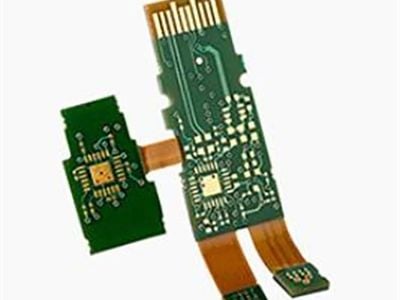
Understanding PCB cost drivers is essential for companies looking to optimize circuit board costs while maintaining quality. As the backbone of modern electronics, Printed Circuit Boards (PCBs) are critical components in devices ranging from consumer electronics to industrial machinery. Buyers often grapple with balancing cost efficiency and quality assurance when sourcing printed circuit board assembly pcb. This article delves into key specifications, important buyer considerations, reliable sourcing options, installation guidance, and strategies to optimize PCB costs without compromising quality.
Key Specifications to Compare When Sourcing Circuit Boards
When sourcing PCBs, understanding the key specifications is vital for ensuring the boards meet application requirements. Key specifications include:
Material Type: Common materials include FR-4 (epoxy resin), polyimide (for flexible PCBs), and ceramic substrates (for high-frequency applications). The choice of material affects thermal conductivity, flexibility, and cost.
Layer Count: The number of layers impacts complexity and cost. Simple designs may require only one or two layers, while more intricate designs can necessitate four or more layers, increasing manufacturing costs.
Thickness: printed circuit board pcb thickness can influence durability and performance. Standard thickness ranges from 0.8 mm to 1.6 mm, but thicker boards may be required for specific applications, such as those involving heavy components.
Surface Finish: Options include HASL, ENIG, and OSP. Each has different implications for solderability, cost, and performance in various operating environments.
Trace Width and Spacing: These parameters determine current-carrying capacity and signal integrity. The IPC-2221 standard provides guidelines for trace widths based on current requirements.
Impedance Control: For high-speed applications, maintaining controlled impedance is crucial to prevent signal degradation. Understanding the required impedance specifications is essential for performance.
By comparing these specifications, buyers can evaluate their options and make informed decisions tailored to their specific applications.
What Buyers Need to Know?
When sourcing PCBs, buyers should be aware of several critical factors that can impact their purchasing decisions:
Minimum Order Quantity (MOQ): Different manufacturers have varying MOQs, which can significantly affect costs. Understanding the MOQ helps in planning production runs and managing budgets effectively.
Lead Time: Lead times can vary based on complexity, material availability, and manufacturing capabilities. Buyers should inquire about estimated lead times during the RFQ process to align with project schedules.
Customization Capabilities: Many manufacturers, like Suzhou Engine Electronic Technology Co., Ltd., offer customization options. Buyers should specify their needs regarding size, shape, and additional features, as this can influence both cost and lead time.
Quality Control Processes: Understanding the manufacturer's quality assurance practices is essential. Look for certifications such as ISO 9001, which indicate a commitment to maintaining high standards throughout the manufacturing process.
Testing Procedures: Inquire about testing methods employed to ensure reliability and performance. Common tests include electrical testing, thermal cycling, and visual inspections.
By addressing these factors upfront, buyers can streamline their sourcing process and avoid potential pitfalls.
Where to Find Reliable PCB Suppliers for Wholesale Purchases?
Finding a reliable PCB supplier is crucial for ensuring consistent quality and service. Here are some avenues to explore:
Industry Directories: Websites like PCB Directory and Global Sources list manufacturers by region and specialization, making it easier to find potential suppliers.
Trade Shows and Conferences: Attending industry events such as IPC APEX EXPO provides opportunities to meet suppliers, see product offerings, and establish relationships.
Online Marketplaces: Platforms like Alibaba and ThomasNet can connect buyers with manufacturers, but thorough vetting is essential to ensure quality and reliability.
Referrals and Reviews: Speaking with peers in the industry or checking online reviews can provide insights into a supplier's reliability and service quality.
Local Manufacturers: Engaging local manufacturers can reduce shipping times and costs, and facilitate easier communication.
When evaluating suppliers, consider their manufacturing capabilities, certifications, and customer service to ensure a successful partnership.
Installation Guidance for High-Quality Circuit Boards
Proper installation of PCBs is critical to ensure optimal performance and longevity. Here are key considerations:
Environmental Conditions: Ensure that the installation environment is clean and free from moisture or contaminants that could affect the board's performance.
Handling Procedures: Use appropriate handling techniques to avoid damaging sensitive components. This includes wearing gloves to prevent oils from fingers contaminating the board.
Soldering Techniques: Choose the right soldering method based on the PCB specifications. Techniques include hand soldering, wave soldering, or reflow soldering, each suited for different applications.
Testing After Installation: Conduct thorough testing post-installation to identify any potential issues. Electrical testing should confirm that all connections are functioning as intended.
By adhering to these guidelines, buyers can enhance the reliability of their pcb circuit board and minimize the risk of failures.
Optimizing Your PCB Cost Without Compromising on Quality
Optimizing PCB costs while maintaining quality is a balancing act that requires careful consideration of various factors:
Material Selection: Choose materials that meet application requirements without overspending. For example, using FR-4 for standard applications is often cost-effective compared to more expensive materials.
Design Simplification: Simplifying PCB designs by minimizing layer counts and reducing trace complexity can lead to significant cost savings. Collaborative design reviews can help identify optimization opportunities.
Bulk Ordering: Leveraging bulk order discounts can reduce unit costs. Consider planning for future projects to maximize savings through larger orders.
Supplier Negotiation: Building strong relationships with suppliers can facilitate better pricing and terms. Open communication about project needs can lead to mutually beneficial arrangements.
Sample Approvals: Before mass production, always approve a sample to ensure it meets specifications. This step can prevent costly reworks later in the production process.
By implementing these strategies, buyers can achieve their budget goals while ensuring high-quality PCBs that meet their needs.