
 EN
 FR
 ES
 PT
 AR
 RU
 KO
 JA
 DE
 NL
 VI
 BG
 HR
 CS
 DA
 FI
 EL
 HI
 IT
 NO
 PL
 RO
 SV
 TL
 IW
 ID
 LT
 SR
 SK
 HU
 TH
 TR
 FA
 GA
 CY
 IS
 HY
 LA
 UK
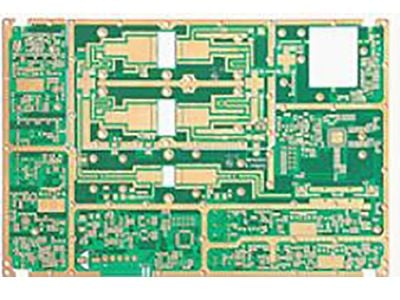
Understanding the differences between Surface Mount Technology (SMT) and Through-Hole Technology (THT) is crucial for buyers in the electronics manufacturing sector. Both methods have distinct advantages and applications, prompting key questions for purchasing managers, engineers, and product managers about when to utilize each technology. This article will clarify the essential considerations for choosing between SMT and THT, providing practical insights to help buyers make informed decisions.
What Buyers Should Know?
When selecting between SMT and THT, buyers must consider the specific requirements of their projects. SMT involves mounting components directly onto the surface of printed circuit boards (PCBs), allowing for a more compact design and often leading to higher component density. This technology is ideal for products requiring miniaturization and high-speed performance. Conversely, THT requires drilling holes in the PCB for components, which can provide better mechanical strength and stability, particularly in high-vibration environments. surface mount pcb assembly is often favored for larger components or where space is less of a constraint. Understanding the mechanical and electrical properties of the components, as well as the intended application, is essential for making the right choice.
A Guide for Wholesale Buyers
Wholesale buyers looking for SMT or THT components should take several factors into account:
Component Size and Weight: Larger and heavier components typically lend themselves better to THT, while smaller components are better suited for SMT.
Production Volume: SMT is generally more cost-effective for high-volume production due to its automated processes and reduced labor costs. THT may be more practical for low to medium volume runs.
Lead Time: SMT components often have shorter lead times because they can be produced in bulk more efficiently. Buyers should check lead times based on their specific requirements.
Quality Control: Both technologies demand rigorous quality assurance processes, but the methods differ. SMT requires precise alignment and soldering, while THT focuses more on mechanical strength and the integrity of solder joints.
Testing and Inspection: Buyers should ensure that their suppliers can provide appropriate testing methods for both SMT and THT assemblies to meet quality standards.
Best Practices for SMT and THT Applications
Implementing best practices for SMT and THT can significantly improve assembly quality and reliability. Here are key considerations:
Design for Manufacturability (DFM): Engage in DFM practices to optimize your PCB layout for either SMT or THT. This involves ensuring proper spacing and alignment for components to minimize production errors.
Sample Approval: Before mass production, it is crucial to approve a finished sample of the assembly. This should involve checking dimensions, fit, surface appearance, and electrical performance under actual operating conditions.
Soldering Techniques: For SMT, consider using reflow soldering, which allows for uniform heat distribution. For custom pcb design, wave soldering is common, but ensure that the PCB is designed to manage thermal stress effectively.
Regular Inspection: Implement regular inspection protocols during both the production and post-production phases. This includes visual inspections and automated optical inspections (AOI) for SMT and functional testing for THT.
Solutions for Buyers
Buyers looking for SMT or THT solutions should evaluate potential suppliers based on their manufacturing capabilities and experience. Here are some practical steps:
Request Detailed Specifications: When reaching out for quotations, provide comprehensive details about the components, including dimensions, materials, and performance requirements. This will enable suppliers to offer precise recommendations.
Explore Customization Options: If your project requires specific configurations, inquire about customization capabilities. Many manufacturers, like Suzhou Engine Electronic Technology Co., Ltd., can tailor their offerings to meet unique project needs.
Assess Production Capacity: Ensure that the supplier can meet your volume requirements. This includes understanding their lead times, minimum order quantities (MOQ), and overall production capacity.
Evaluate Quality Assurance Processes: A reliable supplier should have established quality control processes, including certifications that reflect their commitment to maintaining high standards.
Sourcing SMT and THT Components Effectively
Effective sourcing of SMT and THT components requires a strategic approach. Here are key strategies:
Market Research: Conduct thorough market research to identify suppliers with a strong reputation in SMT or THT manufacturing. Look for case studies or testimonials that demonstrate their capabilities.
Supplier Evaluation: Evaluate potential suppliers based on their experience, certifications, and quality control practices. Visiting their facilities or requesting a virtual tour can provide insights into their manufacturing processes.
Collaboration with Engineers: Work closely with your engineering team during the sourcing process. Their insights into design specifications and application requirements can significantly influence supplier selection.
Build Relationships: Establishing long-term relationships with suppliers can lead to better pricing, improved service, and collaboration on future projects.
By understanding the distinct characteristics of SMT and custom pcb manufacturer, buyers can make informed decisions that align with their project requirements and ensure successful electronic assembly outcomes.