
 EN
 FR
 ES
 PT
 AR
 RU
 KO
 JA
 DE
 NL
 VI
 BG
 HR
 CS
 DA
 FI
 EL
 HI
 IT
 NO
 PL
 RO
 SV
 TL
 IW
 ID
 LT
 SR
 SK
 HU
 TH
 TR
 FA
 GA
 CY
 IS
 HY
 LA
 UK
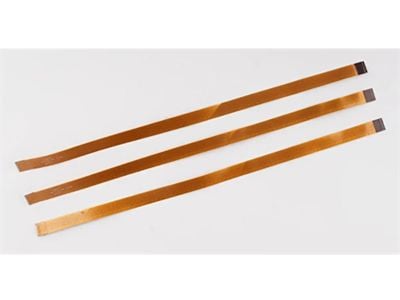
Inside a PCB factory, the printed circuit board (PCB) manufacturing process is a detailed and methodical operation that transforms raw materials into essential components for countless electronic devices. B2B buyers, including purchasing managers and engineers, are often concerned about quality, specifications, and the overall reliability of the manufacturing process. This article provides an in-depth look at the step-by-step PCB manufacturing process, helping you understand the critical factors involved, the advantages for your projects, and practical tips for ordering PCBs effectively.
A Step-by-Step Overview
The PCB manufacturing process involves several key stages, each crucial to ensuring the final product meets the necessary specifications and quality standards.
Design and Prototyping: This initial phase involves creating a PCB layout using CAD software. Designers must consider factors such as trace width, spacing, and the type of materials used. Prototyping allows for testing the design before mass production.
Material Selection: Choosing the right substrate material is essential. Common options include FR-4 for general applications, Rogers for high-frequency boards, and flexible substrates for flexible printed circuit boards (FPCBs). Each material has distinct properties impacting performance and suitability.
Layer Construction: Depending on the design, PCBs can be single-sided, double-sided, or multi-layered. Layers are constructed by stacking and bonding the chosen substrates with adhesive materials. Each layer must be aligned accurately to ensure functionality.
Copper Deposition: A thin layer of copper is applied to the board using processes like electroplating or sputtering. This layer forms the electrical pathways that connect various components.
Etching: Unwanted copper is removed through a chemical process, leaving behind the desired circuit patterns. This step is critical for achieving the precision required in high-density interconnection (HDI) boards.
Drilling: Holes are drilled for component leads and vias. The drilling precision must be high to ensure proper fitting and connectivity.
Solder Mask Application: A solder mask is applied to protect the copper traces and prevent solder bridging during assembly. This layer also improves aesthetics and provides insulation.
Silkscreen Printing: Text and symbols indicating component placements are printed onto the PCB, aiding in assembly and troubleshooting.
Surface Finish: Various surface finishes, such as HASL (Hot Air Solder Leveling), ENIG (Electroless Nickel Immersion Gold), or OSP (Organic Solderability Preservative), are applied to enhance solderability and protect exposed copper.
Testing and Inspection: After fabrication, pcb board wiring undergo rigorous testing, including automated optical inspection (AOI) and electrical testing, to catch defects before they reach the assembly stage.
By understanding these steps, buyers can better assess PCB manufacturers and ensure their products meet the necessary standards for their applications.
Advantages for Your Projects
Investing in high-quality PCBs offers numerous advantages for your projects:
Reliability: High-precision manufacturing processes reduce the likelihood of defects, leading to more reliable electronics. This reliability is especially critical in applications such as medical devices and aerospace technology.
Customization: Manufacturers like Suzhou Engine Electronic Technology Co., Ltd. can provide tailored solutions, accommodating specific designs, materials, and performance requirements. This flexibility allows for innovative applications in various industries.
Scalability: Understanding the PCB manufacturing process allows businesses to scale their production effectively. Whether you need a small batch for prototyping or large volumes for production runs, knowing the capabilities of your supplier is essential.
Cost-Effectiveness: While the initial investment might be higher for high-quality pcb connection, the long-term savings from reduced failures, warranty claims, and enhanced product performance can justify the cost.
Speed to Market: Efficient manufacturing processes can significantly reduce lead times, allowing companies to bring their products to market faster. This is a crucial competitive advantage in industries driven by rapid technological advancements.
Tips for Bulk Orders and Cost Savings
When placing bulk orders for PCBs, consider the following tips to optimize costs and streamline the process:
Consolidate Orders: Grouping multiple designs into one order can reduce setup costs and lead times. Manufacturers often provide better pricing for larger volumes.
Specify Your Requirements Clearly: Provide detailed specifications, including dimensions, materials, surface finishes, and quantities, to avoid misunderstandings and ensure accurate quotes.
Request Samples: Before committing to a large order, request production samples to evaluate quality and performance. This step can prevent costly mistakes later in production.
Negotiate Pricing: Don’t hesitate to discuss pricing options with your supplier. Many manufacturers are willing to offer discounts for larger orders or long-term partnerships.
Consider Shipping Costs: Evaluate shipping options and potential tariffs, especially for international shipments. Understanding these costs upfront can help in budgeting your project.
By applying these strategies, buyers can maximize their investment in PCBs while ensuring they receive high-quality products tailored to their needs.
Common PCB Manufacturing Problems and Effective Solutions
Despite the advanced technology used in PCB manufacturing, several common issues can arise, affecting quality and performance:
Delamination: This occurs when layers of the PCB separate due to thermal stress or moisture. To prevent delamination, ensure the use of appropriate materials and manufacturing processes, and control environmental conditions during and after production.
Insufficient Copper Thickness: Inadequate copper thickness can lead to overheating and performance failures. Buyers should specify the required copper weight based on their intended application and ensure the manufacturer adheres to these specifications.
Solder Bridging: This occurs when solder unintentionally connects adjacent pads, leading to short circuits. Implementing a precise solder mask and ensuring proper print techniques can mitigate this risk.
Component Misalignment: Misalignment during assembly can lead to functional failures. Working closely with your manufacturer to ensure accurate drilling and pad placement can help avoid this issue.
Quality Control Issues: Inconsistent quality can result from variations in manufacturing processes. Establishing a robust quality assurance protocol and conducting regular audits can ensure adherence to standards throughout production.
Addressing these common problems proactively can enhance the overall quality of your PCBs and reduce the risk of failures in your final products.
Where to Find Reliable PCB Suppliers for Your Business Needs?
Finding a trustworthy PCB supplier is crucial for ensuring the quality and reliability of your electronic products. Here are some strategies to identify reliable PCB manufacturers:
Industry Reputation: Research suppliers’ reputations within the industry. Look for reviews, testimonials, and case studies that demonstrate their expertise and reliability.
Certifications: Check for industry-standard certifications such as ISO 9001, IPC-A-600, or IPC-A-610. These certifications indicate adherence to quality management and manufacturing standards.
Manufacturing Capabilities: Assess the supplier’s capabilities regarding the types of pcb prototype board they manufacture, including materials, layer counts, and technologies available. A manufacturer with a diverse portfolio can better accommodate your specific needs.
Customer Support: Evaluate the level of customer support offered. A responsive and knowledgeable support team can significantly ease the purchasing process and address any concerns that may arise.
Local vs. International Suppliers: Consider whether to work with local suppliers for easier communication and logistics or international suppliers for potentially lower costs. Each option has pros and cons that must align with your project requirements.
By conducting thorough research and leveraging these strategies, businesses can find reputable PCB suppliers that meet their specific manufacturing needs, ensuring successful project outcomes.