
 EN
 FR
 ES
 PT
 AR
 RU
 KO
 JA
 DE
 NL
 VI
 BG
 HR
 CS
 DA
 FI
 EL
 HI
 IT
 NO
 PL
 RO
 SV
 TL
 IW
 ID
 LT
 SR
 SK
 HU
 TH
 TR
 FA
 GA
 CY
 IS
 HY
 LA
 UK
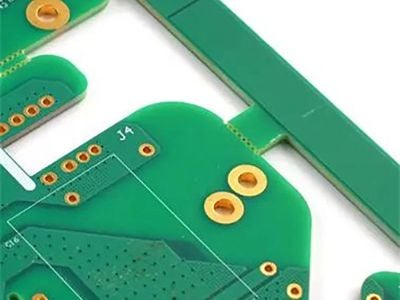
Understanding the appropriate standard PCB trace width and copper thickness is crucial for ensuring your printed circuit boards meet specific power needs. This article will guide you through the calculation process, address common concerns for B2B buyers, and provide practical insights into selecting the right specifications for your application. By understanding the relationship between trace width, copper thickness, and power requirements, purchasing managers and engineers can make informed decisions that enhance performance and reliability.
Understanding PCB Trace Width and Copper Thickness for Power Needs
When designing a PCB, the trace width and copper thickness are critical specifications that directly affect the board's ability to handle electrical current without overheating. Trace width refers to the width of the conductive pathways on the PCB, while copper thickness is measured in ounces per square foot and indicates the amount of copper used in the manufacturing process. The primary concern for buyers is ensuring that the PCB can safely conduct the required current without exceeding temperature limits. To calculate the appropriate trace width, you can use standard formulas or online calculators that take into account the desired current, acceptable temperature rise, and copper thickness. For instance, a pcb circuit board designed for high current applications may require wider traces to dissipate heat effectively. It's essential to note that inadequate trace width can lead to overheating, potential failure, and reliability issues in the final product. Therefore, selecting the right specifications based on the application's power needs is paramount.
Key Factors in Evaluating PCB Quality for Wholesale Purchases
When sourcing PCBs in bulk, several factors influence the quality that should be evaluated. First, ensure the manufacturer, like Suzhou Engine Electronic Technology Co., Ltd., has established quality control processes, including rigorous testing protocols to ensure performance standards are met. Look for certifications that validate the manufacturing process, such as ISO and IPC standards, which indicate adherence to industry guidelines.
Another critical factor is the consistency of the manufacturing processes. Variations in trace width and copper thickness can impact the electrical performance of PCBs, so it's crucial to confirm that the manufacturer has the capability to produce consistent quality across bulk orders. Additionally, consider the material quality used in the pcb printed circuit high-grade copper and substrates contribute to better conductivity and durability.
Lastly, ask about the manufacturer's ability to provide samples for testing before committing to a bulk order. This allows you to evaluate the PCB's performance in real-world conditions and catch any potential issues early in the process.
Comparing Copper Thickness Options for Your PCB Applications
Copper thickness options typically range from 1 oz to 6 oz or more, depending on the application's power requirements. The thickness affects current-carrying capacity, thermal performance, and overall reliability of the PCB. A thicker copper layer allows for higher current loads, making it suitable for power-sensitive applications such as automotive electronics, industrial machinery, and high-frequency devices. When comparing copper thickness options, consider the application environment. For instance, in high-frequency applications, thinner copper may be preferred to reduce losses and improve signal integrity. Conversely, if the PCB will be used in a power-intensive application, thicker copper can provide the necessary strength and conductivity. It's also essential to balance the cost implications of choosing thicker copper. While it may offer better performance, it can increase manufacturing costs. Therefore, understanding the application and evaluating the trade-offs between performance and cost will help you select the right copper thickness.
Installation Guidance for High-Quality PCB Manufacturing
Proper installation is key to ensuring that PCBs function as intended. It begins with understanding the manufacturer's recommendations for handling and mounting the boards. For example, high-precision PCBs require careful alignment to prevent mechanical stress and ensure optimal connectivity. Before installation, verify that the PCB has passed all necessary quality inspections and tests. This includes checking for any visible defects, ensuring that the traces and pads are intact, and confirming that the copper thickness meets the specified requirements. Additionally, consider the soldering process using appropriate techniques and materials is crucial for maintaining the integrity of the pcb board fabrication connections. For optimal performance, ensure that the installation environment is clean and free from contaminants that could affect the PCB's functionality. Following these guidelines can help prevent common issues such as short circuits or poor connectivity.
Cost Factors to Consider When Sourcing PCBs in Bulk
When sourcing PCBs for bulk orders, several cost factors must be considered beyond just the unit price. First, assess the total cost of ownership, which includes not only the purchase price but also factors like shipping, handling, and potential rework costs if the PCBs fail to meet specifications. Quantity plays a significant role in pricing; typically, larger orders can lead to bulk discounts. However, it’s essential to evaluate whether you have the storage capabilities and demand forecast to justify a large order. Additionally, consider the lead time associated with different copper thicknesses and trace widths; specific configurations may take longer to manufacture, impacting your overall project timeline. Lastly, inquire about any additional costs related to customizations or specific material requirements. Understanding these factors will help you make an informed decision that balances cost with quality and performance needs. By considering these aspects, you can better navigate the complexities of sourcing high-quality PCBs, ensuring that your final products meet your exact specifications and performance requirements.