
 EN
 FR
 ES
 PT
 AR
 RU
 KO
 JA
 DE
 NL
 VI
 BG
 HR
 CS
 DA
 FI
 EL
 HI
 IT
 NO
 PL
 RO
 SV
 TL
 IW
 ID
 LT
 SR
 SK
 HU
 TH
 TR
 FA
 GA
 CY
 IS
 HY
 LA
 UK
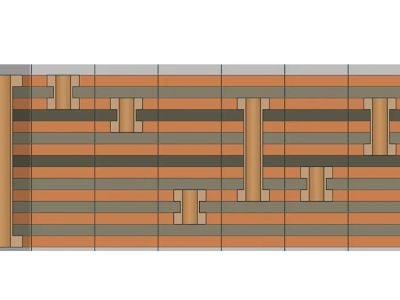
Choosing the right PCB substrate is critical for the performance and reliability of electronic devices. In particular, comparing FR-4, aluminum, and polyimide substrates involves understanding their unique properties, applications, and cost implications. This article aims to guide purchasing managers, engineers, and product managers in making informed decisions about PCB substrates by discussing key specifications, cost factors, reliable suppliers, installation guidance, and common issues associated with each material.
Key Specifications to Consider When Choosing PCB Substrates
When selecting a PCB substrate, several key specifications must be considered to ensure optimal performance for specific applications. These include:
Dielectric Constant (Dk): This affects signal integrity and speed. FR-4 typically has a Dk of around 4.5, while polyimide can vary from 3.0 to 4.0, making it more suitable for high-frequency applications.
Thermal Conductivity: Aluminum substrates excel in heat dissipation, making them ideal for LED applications and high-power circuits. In contrast, FR-4 has lower thermal conductivity, which can lead to overheating in demanding applications.
Mechanical Strength: Polyimide offers superior flexibility and strength compared to FR-4 and aluminum, making it ideal for flexible circuits and applications where bending is required.
Cost and Availability: FR-4 is widely used and cost-effective, whereas aluminum and polyimide can be more expensive and may require longer lead times due to specialized manufacturing processes.
Environmental Resistance: Polyimide has excellent resistance to moisture, chemicals, and extreme temperatures, making it suitable for harsh environments. Aluminum, while strong, can be prone to oxidation unless properly treated.
Understanding these specifications will help buyers select the right substrate based on their specific application requirements, such as signal integrity, thermal management, and environmental exposure.
Cost Factors in Sourcing FR-4, Aluminum, and Polyimide Substrates
Cost is a significant consideration when sourcing pcb board fabrication. Here are some factors to consider:
Material Costs: FR-4 is generally the most cost-effective option due to its widespread availability and established manufacturing processes. In contrast, aluminum and polyimide substrates can be more expensive due to the complexity of their production and material properties.
Production Complexity: The manufacturing process for aluminum and polyimide involves additional steps, such as special surface treatments or lamination, which can increase labor and overhead costs.
Volume and Minimum Order Quantities (MOQ): Manufacturers often have MOQs that can affect pricing. Higher volumes typically lead to lower costs per unit, but this needs to be balanced against projected demand to avoid excess inventory.
Customizations: Custom specifications or modifications, such as unique dimensions or additional features, can add to the cost. Buyers should weigh the necessity of these customizations against their budget.
Lead Time: Longer lead times for aluminum and polyimide can affect project timelines and should be factored into overall costs, especially in fast-paced industries.
By considering these cost factors, buyers can better negotiate and plan their sourcing strategy.
Where to Find Reliable Suppliers for PCB Substrates in Bulk
Finding reliable suppliers for PCB substrates is crucial for ensuring quality and timely delivery. Here are some strategies:
Industry Directories: Utilizing online platforms like ThomasNet or Maker's Row can help locate reputable manufacturers specializing in FR-4, aluminum, and polyimide substrates.
Trade Shows and Expos: Attending industry trade shows can provide opportunities to meet suppliers in person, evaluate their products, and discuss specific requirements.
Recommendations: Networking with industry peers or consulting with professional organizations can lead to recommendations for trusted suppliers.
Certifications and Quality Standards: Look for suppliers that adhere to industry certifications such as ISO 9001, which indicates a commitment to quality management systems.
Sample Orders: Before committing to bulk orders, request samples to evaluate the supplier’s quality and responsiveness. This step can help avoid costly mistakes down the line.
By employing these strategies, buyers can ensure they partner with suppliers who meet their quality and reliability expectations.
Installation Guidance for FR-4, Aluminum, and Polyimide PCBs
Proper installation is essential for maximizing the performance of PCB substrates. Here are some guidelines for each type:
FR-4: Ensure proper soldering techniques to avoid delamination or thermal damage. Use appropriate solder mask materials to enhance performance and protect against environmental factors.
Aluminum: Pay attention to the thermal management design. Use thermal pads and ensure proper heat sinking to dissipate heat effectively. The mechanical attachment should be robust to withstand thermal expansion.
Polyimide: Given its flexibility, ensure that the pcb and pcb accommodates bending and flexing without compromising electrical connections. Use flexible soldering techniques and components designed for dynamic applications.
Testing and Validation: Conduct thorough testing after installation to check for any onnectivity issues, heat distribution, and functionality under operational conditions. This step helps identify potential problems early, allowing for timely adjustments.
By following these installation guidelines, buyers can enhance the reliability and longevity of their PCB assemblies.
Common Issues with PCB Substrates and Effective Solutions
When working with PCB substrates, several common issues may arise, along with effective solutions:
Delamination: This can occur in FR-4 and polyimide substrates due to inadequate bonding during manufacturing. To mitigate this risk, ensure that the manufacturer follows stringent quality control processes and utilize proper lamination techniques.
Thermal Management Problems: Aluminum substrates can experience overheating if not designed with adequate heat dissipation features. Implementing robust thermal management strategies, such as using thermal vias or heat sinks, can alleviate this issue.
Signal Integrity Loss: Poor dielectric properties can lead to signal degradation, especially in high-frequency applications. Selecting appropriate materials like polyimide for high-frequency circuits can help maintain signal integrity.
Mechanical Stress: In flexible circuits, excessive bending can lead to breakage. Design circuits with sufficient bend radii and use polyimide substrates to accommodate movement without compromising performance.
Oxidation in Aluminum: Aluminum substrates can oxidize, leading to performance issues. Applying protective coatings or using anodized aluminum can help mitigate oxidation risks.
By being aware of these common issues and implementing effective solutions, buyers can enhance their PCB performance and reliability.
selecting the right PCB substrate—whether FR-4, aluminum, or polyimide—requires careful consideration of specifications, cost factors, reliable sourcing, installation guidance, and potential issues. Following the insights provided can aid purchasing managers and engineers in making informed decisions that align with their specific application needs.
Table of Contents
- Key Specifications to Consider When Choosing PCB Substrates
- Cost Factors in Sourcing FR-4, Aluminum, and Polyimide Substrates
- Where to Find Reliable Suppliers for PCB Substrates in Bulk
- Installation Guidance for FR-4, Aluminum, and Polyimide PCBs
- Common Issues with PCB Substrates and Effective Solutions