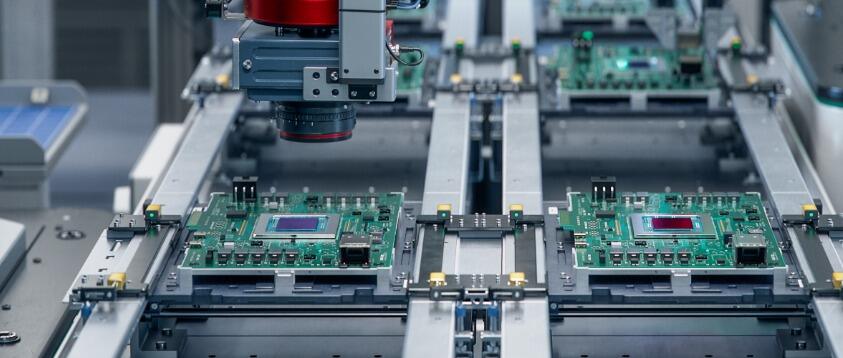
Индустријска аутоматизација подразумева коришћење система управљања, као што су рачунари или роботи, за обављање разних процеса и управљање машинама у индустријским условима без људског умешајства. Широко се примењује у индустријама као што су производња, нафта и гас, аутомобилска, храна и пиће и другим.
Контактирајте нас
Индустријска аутоматизација подразумева коришћење система управљања, као што су рачунари или роботи, за обављање разних процеса и управљање машинама у индустријским условима без људског умешајства. Широко се примењује у индустријама као што су производња, нафта и гас, аутомобилска, храна и пиће и другим. Циљ је побољшање ефикасности, сигурности и продуктивности, смањујући при том могућност људске грешке.
Постоје различити нивои индустријске аутоматизације:
Фиксна или хард аутоматизација: Користи се за производњу великих серија и обухвата специјализовану опрему која је дизајнирана за производњу одређеног производа. Ригидна је и непримењива на измене у дизајну производа.
Програмабилна аутоматизација: Уобичајена у серијској производњи, где се машини поново програмирају да би обављали различите задатке или линије производа.
Флексибилна аутоматизација: Прилагодљивији систем који омогућава брзу реконфигурацију, што је корисно у срединама где се типови производа и запремине производње могу мењати.
Кључни компоненти у индустријској аутоматизацији:
Сензори: Мере променљиве попут температуре, притиска, протока и близине. Обезбеђују повратне информације системима за управљање.
Системи управљања: Често засновани на ПЛК-овима (Програмабилни логички контролери) или ДЦС-у (Дистрибуирани системи управљања), интерпретирају сигнале сензора и дају излазе за контролу машина и процеса.
Актуатори: Уређаји попут мотора, пумпи и вентила који физички извршавају акције управљања које задаје систем управљања.
Роботи: Користе се за задатке као што су склапање, руковање материјалима, заваривање и паковање. Роботи повећавају прецизност и брзину, истовремено смањујући ризик од повреде у опасним срединама.
Интерфејс човек-машина (HMI): Омогућава оператерима да прате, контролишу и комуницирају са аутоматизованим системима. Обезбеђује повратне информације и визуелизацију података.
SCADA системи: Системи за надзорну контролу и прикупљање података прате и контролишу индустријске процесе, прикупљајући податке у реалном времену и омогућавајући даљинско управљање.
Предности индустријске аутоматизације:
Повећана продуктивност: Аутоматизовани системи раде непрекидно и брже од људског рада, чиме се повећава производња.
Конзистентност и контрола квалитета: Машине могу извршавати задатке прецизније од људи, осигуравајући једноликост и висок квалитет производа.
Безбедност: Опасни или штетни задаци могу бити аутоматизовани, смањујући ризик за раднике.
Смањење трошкова: Иако постоји почетна инвестиција, аутоматизација често доводи до дугорочне уштеде због веће ефикасности и мање грешака.
Трендови у индустријској аутоматизацији:
IoT (Internet of Things): Industrijski IoT (IIoT) povezuje mašine, senzore i sisteme sa internetom, omogućavajući analizu podataka u realnom vremenu i prediktivno održavanje.
Veštačka inteligencija i mašinsko učenje: Ove tehnologije unapređuju sisteme automatizacije tako što im omogućavaju da uče iz podataka, optimizuju operacije i čak predviđaju kvarove sistema pre nego što se dogode.
Računarstvo u oblaku: Rešenja zasnovana na oblaku omogućavaju daljinsko praćenje, upravljanje i skladištenje podataka, čime se poboljšava fleksibilnost i skalabilnost industrijskih operacija.
 EN
EN
 FR
FR
 ES
ES
 PT
PT
 AR
AR
 RU
RU
 KO
KO
 JA
JA
 DE
DE
 NL
NL
 VI
VI
 BG
BG
 HR
HR
 CS
CS
 DA
DA
 FI
FI
 EL
EL
 HI
HI
 IT
IT
 NO
NO
 PL
PL
 RO
RO
 SV
SV
 TL
TL
 IW
IW
 ID
ID
 LT
LT
 SR
SR
 SK
SK
 HU
HU
 TH
TH
 TR
TR
 FA
FA
 GA
GA
 CY
CY
 IS
IS
 HY
HY
 LA
LA
 UK
UK